Siphons for Cooking: What They Do and How to Use Them
FastGas Blog

The culinary siphon is one of the most underestimated tools in both home and professional kitchens. A well-chosen siphon for cooking does far more than whipped cream, handling foams, infusions, carbonated drinks, and aerated batters with equal precision. This article is a practical reference for anyone looking to understand the tool and get the most out of one.
What Is a Culinary Siphon and How Does It Work?
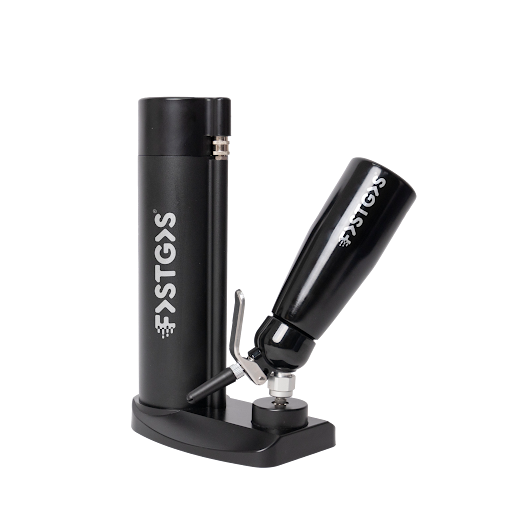
A culinary siphon is a pressurised canister that uses gas to transform liquids into foams, mousses, infusions, aerated sauces, and carbonated preparations. It consists of a sealed chamber, a lever-operated dispensing head, and interchangeable nozzles that control output texture. FastGas provides food-grade N₂O chargers compatible with both home and professional siphon models across each of these applications.
The mechanism is straightforward. A gas charger is screwed into the siphon head, which punctures the seal and releases gas into the chamber under pressure. That gas dissolves into the liquid, and when the lever is pressed, the sudden pressure drop aerates the preparation as it exits through the nozzle.
The quality of the output depends on three variables: the grade of gas used, the liquid-to-charger ratio, and the temperature of the preparation when charged. All three are straightforward to manage once the basics of the tool are understood.
N₂O vs CO₂: Which Gas Goes in a Cooking Siphon?
Nitrous oxide (N₂O) and carbon dioxide (CO₂) are the two gases used in culinary siphons, and they are not interchangeable. Selecting the wrong gas for a preparation produces results that are flat, acidic, or structurally unstable.
N₂O is the correct choice for cream-based preparations, savoury foams, and most culinary applications. It dissolves readily into fat, carries a neutral flavour profile, and delivers a smooth, stable texture that holds well under refrigeration.
A cream siphon charged with food-grade N₂O is the standard tool for culinary foam and aeration work. FastGas supplies food-grade N₂O chargers suited to professional kitchen environments where output consistency and volume are non-negotiable.
CO₂ is better suited to carbonating water-based liquids such as fresh juices, sparkling water, and sodas. It produces the sharp, fizzy character associated with carbonated beverages and is not appropriate for foam-based preparations where a smooth, neutral mouthfeel is required.
Siphon Types and Sizes: Choosing the Right One
Culinary siphons come in two main configurations: whipping siphons and cream dispensers. Differences in build quality, pressure tolerance, and temperature rating determine which suits a specific kitchen context and frequency of use.
Whipping siphons are typically made from stainless steel, offering greater durability, broader temperature tolerance, and easier cleaning than aluminium or plastic consumer models. Stainless steel is the standard in professional kitchens where the siphon is in daily use. Consumer-grade cream dispensers suit lighter home applications.
The two standard size options are 0.5 litres and 1 litre. A 0.5-litre siphon is practical for home cooks and smaller catering operations, while a 1-litre model is the appropriate choice for restaurants and cafés where preparation efficiency and service volume are priorities.
What Can You Do With a Cooking Siphon?
A siphon for cooking is more versatile than most home cooks initially expect. The four sections below outline the primary applications across both home and professional kitchen settings.
Whipped Cream and Savoury Foams
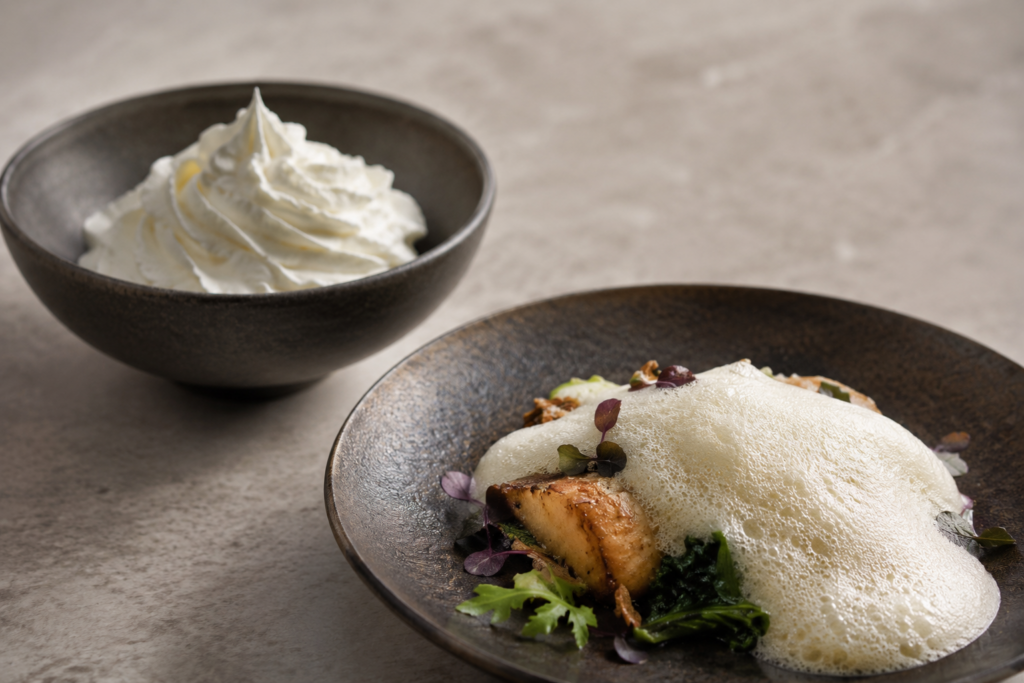
A whipped cream syphon charged with N₂O produces cream that is light, stable, and ready in seconds without any manual effort, with a consistency that hand whipping cannot reliably replicate.
Professional kitchens extend the same technique to savoury foams from stocks, purees, and emulsified bases, adjusting the base liquid and charger count to achieve the desired texture. A properly charged siphon holds its preparation under refrigeration for several hours, making advance production during service both practical and efficient.
Carbonating Drinks and Infusions
A CO₂-charged siphon allows café operators and bartenders to carbonate fresh juices, cold brew, and custom sodas in-house with direct control over carbonation level, producing results that are fresher than commercially carbonated alternatives.
For nitro coffee and nitro cocktails, N₂O is the correct gas, creating the smooth, cascading mouthfeel that CO₂ cannot replicate. Home bartenders and home cooks use both gases for sparkling infusions, shrubs, and custom sodas.
Rapid Marinating and Pressure Infusing
Pressure infusion is one of the most practical but least known applications of a culinary siphon: pressurised gas penetrates the cellular structure of an ingredient, and when released, draws the surrounding liquid inward, compressing a lengthy infusion into minutes.
Bartenders use this method to infuse spirits with botanicals or citrus peel on demand, and chefs apply it to flavoured oils and vinaigrettes during service. The technique requires some experimentation with timing and charger count, but consistently outperforms cold infusion in speed without sacrificing flavour depth.
Aerated Batters and Emulsion Sauces
Charging pancake, tempura, or waffle batter with N₂O before cooking produces a noticeably lighter, more open texture than conventionally mixed batches, a result that is difficult to achieve by other means.
Emulsion sauces, including hollandaise and beurre blanc, can be prepared and dispensed through a siphon, where the pressurised environment stabilises the emulsion and reduces the risk of separation during a hold period.
Both techniques are well established in professional kitchens managing high-volume service.
How to Use a Culinary Siphon Correctly
Understanding how to use a whipped cream dispenser or whipping siphon correctly begins with following the right sequence and staying within the manufacturer’s specified limits for fill level and charger count.
- Fill the siphon with your prepared liquid, leaving sufficient headspace as specified by the manufacturer, typically no more than two-thirds of total capacity.
- Seal the head firmly, confirming all gaskets are correctly seated and free from damage.
- Attach the charger to the holder and screw it into the head until the gas discharges fully.
- Shake the siphon two to three times to distribute gas evenly through the liquid.
- Invert and dispense by pressing the lever, adjusting the nozzle to control output texture.
Always release remaining pressure before opening the siphon head. Clean the nozzle, valve, and gaskets thoroughly after every session, as residue build-up affects both hygiene and dispensing performance over time.
Overfilling reduces available gas volume and produces a denser result. Attaching more chargers than the manufacturer recommends does not improve output quality and creates a pressure risk.
Using a Siphon in a Professional Kitchen: Speed, Consistency, and Service
In a restaurant or café environment, the operational value of a culinary siphon extends well beyond the quality of what it produces. The ability to front-load production, maintain consistent output under service pressure, and reduce effort at the pass are the key advantages.
A charged siphon holds most preparations for several hours, allowing kitchen teams to produce foams, aerated creams, and stabilised sauces during prep time and dispense them on demand throughout service without further work at the pass.
For café operators and bar managers, standardising whipping siphon recipes for cold foam, nitro preparations, and whipped toppings ensures a consistent result across every serving, regardless of who is on the equipment during a busy service.
Frequently Asked Questions
How many N₂O chargers does a siphon need?
A 0.5-litre siphon typically requires one N₂O charger for standard preparations, while a 1-litre siphon generally needs two. Heavier, fat-rich liquids may benefit from one additional charger, but the manufacturer’s stated maximum should never be exceeded.
What is the difference between a whipping siphon and a cream dispenser?
A whipping siphon is a professional-grade tool built to handle a wider range of preparations, including hot liquids and savoury bases. A cream dispenser is a consumer product designed primarily for whipped cream and sweet toppings. Both use N₂O chargers but differ significantly in build quality, pressure tolerance, and application range.
Can I use a siphon for hot liquids?
Yes, provided the siphon is rated for hot use by the manufacturer. Many stainless steel whipping siphons handle hot liquids safely, making them suitable for warm savoury foams and hot sauces during service. Always confirm the temperature rating in the product documentation before use.
What size siphon is best for a restaurant or cafe?
A 1-litre siphon is the standard choice for restaurant and café environments where output volume is a priority. High-volume operations often run multiple units simultaneously to maintain continuous output. A 0.5-litre model suits smaller venues or lower-demand menu applications.