Why Won’t My Whipped Cream Whip? Mistakes to Avoid
FastGas Blog

Whipped cream that refuses to thicken is one of the most common and frustrating problems for businesses. Cream won’t whip for a small number of specific, avoidable reasons, and this article covers every one of them.
If you have ever asked why won’t my cream whip in the middle of a recipe, the answers below apply to both home and professional kitchens. For operations using nitrous oxide dispensing, these failure points are equally relevant because even a pressurised dispenser requires the right inputs to deliver consistent results.
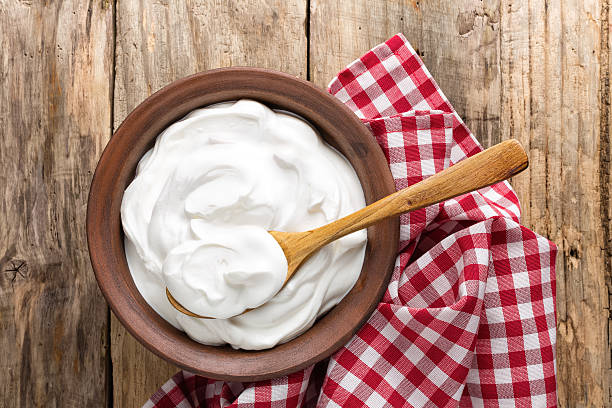
Your Cream and Equipment Are Not Cold Enough
Temperature is the most common reason why my cream isn’t whipping as expected. Fat molecules in cream need to be cold to trap air efficiently and build structure as volume develops during whipping.
When the cream or bowl is too warm, the fat breaks down rather than aerates. The result is whipped cream not thickening, no matter how long you continue. Chilling your bowl and whisk or beater attachments in the fridge for at least 15 to 20 minutes before starting is a simple habit that removes one of the most common failure variables.
The same rule applies when using nitrous oxide equipment. A pressurised dispenser cannot compensate for warm cream, and cold is a non-negotiable starting point for any whipping method. This applies equally in a home kitchen and in a high-volume professional environment.
You Are Using the Wrong Type of Cream
Heavy whipping cream not whipping is almost always a fat content problem, not a technique problem. Cream needs a minimum of 30% fat to form and hold the aerated structure that whipping creates.
Will half and half make whipped cream? No, because at 10 to 12% fat it is far too low to whip at all. Any recipe for whipped cream using heavy cream consistently calls for cream in the 35 to 38% fat range for this reason, which is why heavy whipping cream is the standard choice across both home and professional recipes.
If you use cream chargers professionally, always verify your cream’s fat content before service. A lower-fat batch will underperform even in a correctly charged dispenser, producing a loose result that will not hold on the plate. Standardising your cream supplier is the simplest way to prevent this from becoming a recurring problem.
The Cream Is Old, Frozen, or Past Its Best
Cream near or past its use-by date will often fail to whip regardless of temperature or technique. Its fat structure degrades with age in ways that prevent proper aeration, even when the cream still looks and smells fine.
Previously frozen and thawed cream carries the same problem. Ice crystals formed during freezing damage the emulsion that whipping depends on, and no technique can reverse that structural damage once it has occurred. In professional kitchens, this is a common oversight when cream is carried over from a previous service.
If the cream does not whipping persists despite correct temperature and fat content, check the date on the carton. Fresh cream used well within its recommended window is the only reliable starting point. In professional kitchens, stock rotation is therefore just as important as refrigeration.
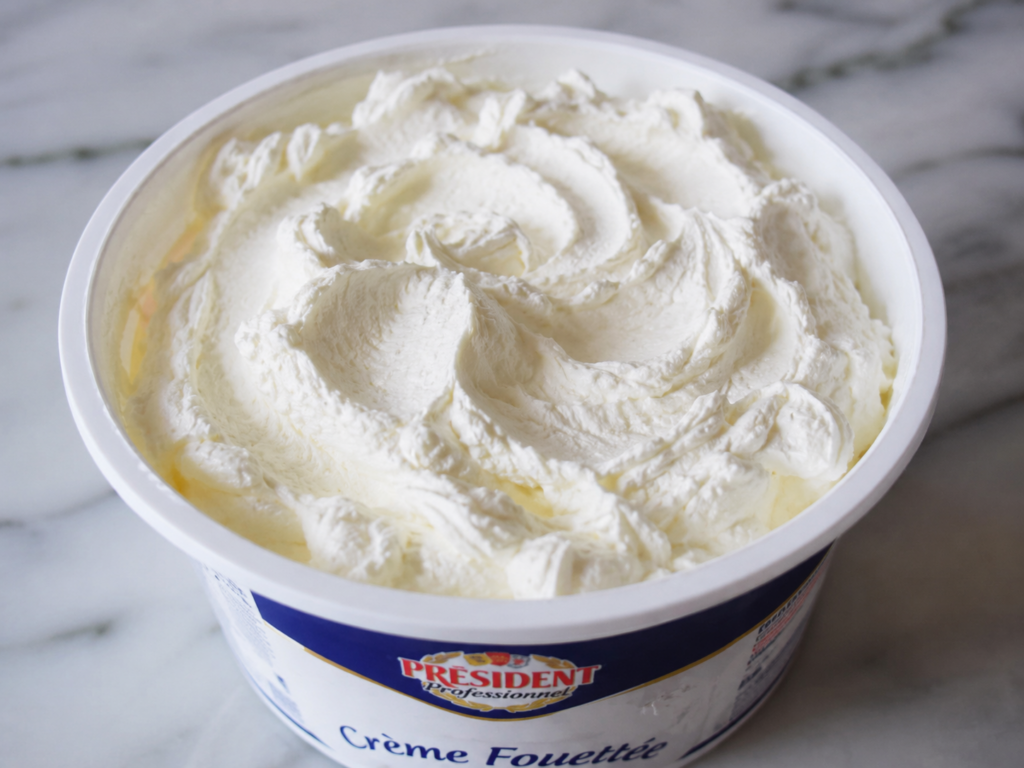
You Are Using the Wrong Bowl or Whipping Tool
Why isn’t my heavy cream whipping when fat content and temperature are both correct? A bowl that is too shallow or too wide allows cream to splash rather than aerate, limiting the build-up of volume and structure.
A deep, narrow bowl keeps the whisk in full contact with the cream throughout each pass, creating better lift. Stainless steel chills faster in the freezer and keeps the cream in even contact with a cold surface throughout whipping, which matters across long service periods in a professional kitchen.
Many bakers try to whip cream with immersion blender attachments to save time, but the results are inconsistent, and over-processing happens within seconds. A stand mixer with a balloon attachment, a hand mixer, or a manual whisk gives you the control that consistent whipping requires. The choice of tool matters more than most people expect.
You Are Whipping at the Wrong Speed or for Too Long
Starting at too high a speed leads directly to whipped cream not whipping to the correct texture. High speed creates large, unstable air bubbles that collapse before the cream can set around them.
Begin at medium speed to build structure gradually, then increase only once soft peaks start to form. This staged approach gives you more control over the final texture and significantly reduces the risk of going too far. It also means you can stop at exactly the consistency you need for the application.
Over-whipping is one of the most common professional kitchen errors, particularly under service pressure. Once cream has passed stiff peaks and turns grainy or separated, it cannot be recovered. Stop early and assess texture before deciding whether to continue.
You Are Adding Sweeteners or Flavourings at the Wrong Time
Knowing when to add sugar to whipping cream prevents one of the most commonly overlooked causes of failure. Adding sugar before the cream has started to thicken introduces weight that slows or prevents proper volume development.
Add sugar once soft peaks have formed, then continue whipping to your desired texture. Icing sugar dissolves more cleanly than caster sugar and avoids a gritty finish in the result.
Liquid flavourings and extracts carry the same risk if added too early or in excess. Keep any liquid additions minimal and introduce them at the soft peak stage alongside any sweetener. This protects the structural development that has already taken place.
The Kitchen Environment Is Too Warm or Too Humid
Why won’t my heavy cream whip in a warm kitchen? Ambient heat causes cream to warm during whipping, breaking down fat structure before any meaningful volume can develop.
Humidity adds another complication, reducing the surface stability of the cream as it aerates and shortening the holding time of the finished result. This is particularly relevant in summer conditions or in kitchens with poor ventilation.
Pre-chilling your bowl in the freezer rather than the fridge, and working in the coolest part of the kitchen, can make a real practical difference. In café environments where ambient conditions cannot be controlled, N₂O dispensing removes most of these environmental variables entirely. That shift in method is often what separates consistent output from unpredictable results.
Why These Mistakes Multiply in a High-Volume Professional Kitchen
Every mistake covered above becomes more consequential at volume and under sustained service pressure. Asking why my whipped cream isn’t whipping mid-service in a café or restaurant has real operational consequences that extend well beyond a single failed portion.
Temperature is harder to maintain when cream is pulled from cold storage repeatedly across a full shift. Equipment fatigue, service pace, and cream batch inconsistencies all increase the chance that whip cream won’t whip reliably at exactly the moment it needs to.
Professionals who understand these failure points build workflows around them from the start. That means standardising cream suppliers and fat specifications, pre-chilling equipment in organised batches, or removing manual whipping from high-volume applications altogether.
How N₂O Cream Chargers Remove Most of These Variables
For kitchens where manual whipping is producing consistently unreliable results, N₂O cream chargers offer a fundamentally different approach to the problem. The nitrous oxide creamer format eliminates several key failure variables by controlling the environment in which cream is aerated under pressure.
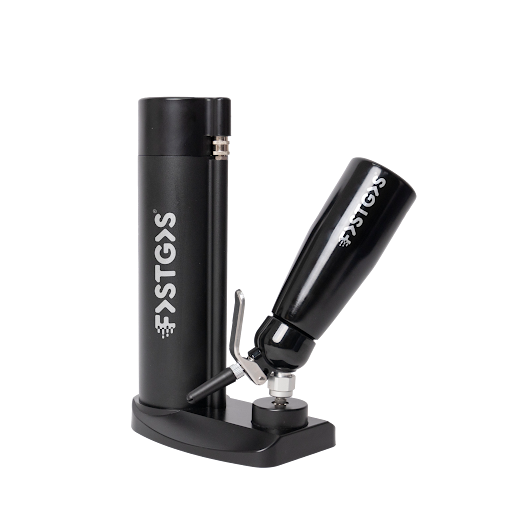
What a Cream Dispenser Controls That Manual Whipping Cannot
A cream dispenser using N₂O charges cream under precise pressure, removing technique, speed, tool selection, and ambient humidity from the outcome. Temperature and fat content still matter, but every other variable is standardised by the dispenser itself.
The result is a consistent texture on every charge, regardless of who is operating it or how far into service the kitchen is. That level of repeatability is not achievable through manual whipping when volume, multiple operators, and time pressure are all simultaneously involved.
FastGas supplies food-grade N₂O chargers used in professional kitchens across the EU, where output reliability and certified food-grade status are both operational requirements.
Consistent Results at Scale: Why Cafés and Restaurants Make the Switch
For cafés, pastry kitchens, and HORECA operators, the case for N₂O dispensing is built on reliability above all else. When my whipped cream won’t whip during peak service, the impact extends well beyond a single portion to the overall output of the kitchen.
Charged cream in a sealed dispenser also holds its quality longer than manually whipped cream, which begins to weep and lose volume quickly after preparation. N₂O dispensing removes human variation from the result across all operators and shifts.
The shift to N₂O dispensing is not about replacing skill. It is about removing the variables that skill alone cannot reliably control at scale.
Frequently Asked Questions
Why does my whipped cream stay runny no matter what I do?
If cream not whipping is a persistent problem despite careful technique, the most likely causes are fat content below 30%, cream that is too warm, or cream that is past its best. These three factors account for the vast majority of whipping failures across both home and professional kitchen contexts.
Work through each cause systematically before adjusting your method or equipment, as identifying the root issue is faster than changing technique at random.
Can I rescue whipped cream that has already gone wrong?
Over-whipped cream that has turned grainy or separated cannot be recovered. Cream that has not yet thickened can sometimes be saved by chilling it immediately and restarting at a lower speed, provided it has not begun to curdle.
Catching the problem early gives you the best chance of saving the batch without starting over entirely.
What is the minimum fat content needed to whip cream successfully?
A minimum of 30% fat is required for cream to whip and hold its structure. Heavy whipping cream typically sits at 35 to 38% fat, which is why it is the standard choice for both home and professional whipping applications.
Anything below 30%, including half and half and single cream, will not whip regardless of technique or equipment.
Do professional kitchens use cream chargers instead of manual whipping?
Many do, particularly at volume. N₂O cream chargers deliver consistent, food-grade results without the technique variables that cause cream to fail under service pressure.
For lower-volume operations where conditions are well controlled, manual whipping remains a practical and entirely reliable option.