How to Make Nitro Cold Brew at Home: The Complete Guide
FastGas Blog

Nitro cold brew is one of the fastest-growing coffee trends across the US and EU, admired for its smooth, creamy texture and natural sweetness. Learning how to make a nitro cold brew at home and in your business is far more accessible than most people expect, and no commercial tap system is required. This FastGas guide is the most practical reference for making it at home or adding it to a professional café or bar menu.
What Is Nitro Cold Brew Coffee?
Nitro cold brew is cold brew coffee that has been infused with nitrogen gas and dispensed under pressure.
The sections below cover the science behind the process, why it tastes different from regular cold brew, and whether it is safe to drink.
The Science Behind Nitrogen Infusion
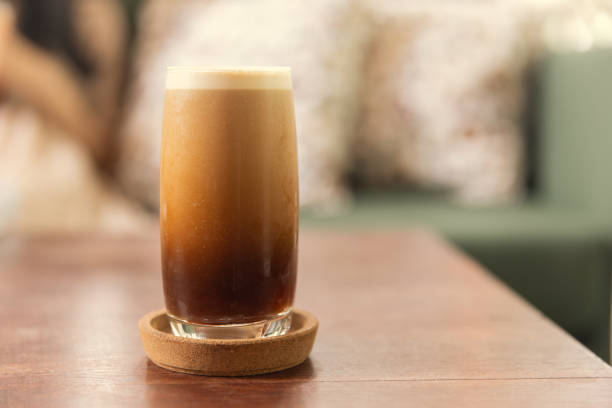
True nitrogen (N₂) is nearly insoluble in liquid, so instead of dissolving, it forms suspended micro-bubbles that give nitro cold brew its signature velvety texture and creamy body. This is the mechanism used in commercial keg and tap systems, where nitrogen gas is forced through a restrictor valve under pressure, producing the cascading pour effect the drink is known for.
The cream whipper method used at home works a little differently. N₂O (nitrous oxide), the gas used in food-grade chargers, is more soluble under pressure and comes out of solution as the whipper depressurizes. It doesn’t replicate true nitrogen infusion molecule-for-molecule, but it produces a comparably creamy, textured result, which is why it has become the standard home and small-batch alternative to a full nitro tap setup.
Why It Tastes Different From Regular Cold Brew
Nitrogen infusion suppresses the perception of bitterness and acidity while drawing out the rounder, sweeter flavour notes already present in the coffee. The result is a cup that tastes naturally sweeter and smoother than standard cold brew, without any added sugar or dairy.
Is Nitrogen-Infused Coffee Safe to Drink?
Yes, provided food-grade N₂O is used in correctly rated equipment. Nitrogen makes up approximately 78 percent of the air we breathe and is non-toxic at the concentrations used in beverage applications, and food-grade N₂O is the only appropriate input for any consumable use.
Cold Brew vs Nitro Cold Brew: What Actually Sets Them Apart
Cold brew and nitro cold brew share the same brewing process, but the infusion step creates a meaningfully different product in taste, texture, and practicality.
This distinction matters particularly for operators positioning nitro alongside other carbonated drinks on a menu.

Taste, Texture, and Acidity Compared
Regular cold brew pours flat with a clean, low-acid flavour profile, while nitro cold brew delivers a creamy, draught-like mouthfeel without any dairy.
Nitrogen infusion also reduces perceived acidity further, making nitro the preferred option for coffee drinkers who are sensitive to acid.
Shelf Life and Storage Differences
Cold brew concentrate stores well in a sealed refrigerated container for up to two weeks, while nitro cold brew is best consumed immediately after dispensing as the nitrogen dissipates within minutes.
This means nitro works most efficiently when prepared in small batches on demand, whether at home or in a commercial kitchen.
Nitro vs Cold Brew at Starbucks: How They Compare
The nitro vs cold brew Starbucks comparison is one of the most searched topics in specialty coffee. Understanding how the two products differ in method, customisation, and cost clarifies why making it yourself is such a compelling alternative.
What Starbucks Actually Puts in Their Nitro
Starbucks Nitro Cold Brew is made from the brand’s proprietary cold brew concentrate, infused with nitrogen through a commercial tap system installed at each café location.
It is served without ice in its base form, with no added dairy or sweetener, and the specific coffee blend used is not publicly disclosed.
Why Making It Yourself Costs a Fraction of the Price
A Starbucks Nitro Cold Brew typically costs around USD 5 to USD 6 per serving in the US, though pricing varies by location and changes over time. Making it yourself at home costs a fraction of that per serve, using specialty-grade coffee and N₂O chargers, with the exact cost depending on the coffee and charger brand used.
When you make your own nitro cold brew, you also gain full control over coffee origin, roast level, brew ratio, and flavour additions.
Equipment You Need to Get Started
The right equipment depends on your volume and budget. The two methods below cover the practical range from home use to high-volume commercial service.
Method 1: Using a Cream Whipper with N₂O Chargers
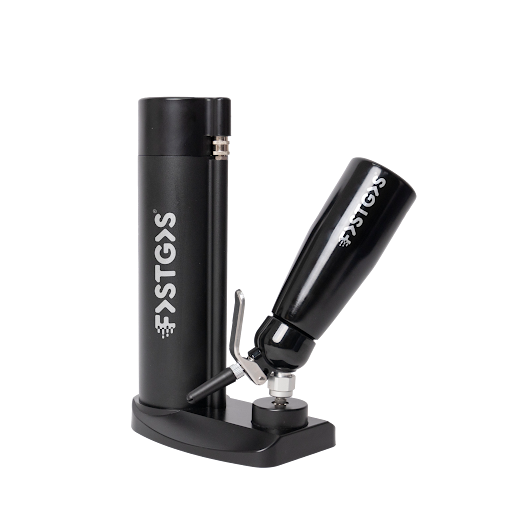
A cream whipper charged with food-grade N₂O is the most accessible way to produce DIY nitro cold brew, requiring no gas lines, keg, or installation. It approximates the texture of true nitrogen infusion rather than replicating it exactly, but the result is close enough that most drinkers can’t tell the difference in the glass. FastGas Creamer is a food-grade N₂O charger compatible with the standard cream whippers used for this application.
Method 2: Using a Keg and Tap System
A keg and tap setup uses a nitrogen tank, a regulator, and a pressurised keg to store and dispense large volumes of nitro cold brew on demand.
It is the appropriate choice for locations serving 30 or more nitro portions daily, though it requires upfront investment, dedicated storage space, and regular cylinder refills.
Which Setup Is Right: Home Bar vs High-Volume Service
For home use or small-batch café service, a cream whipper with N₂O chargers is the practical, space-efficient starting point that most home enthusiasts and operators begin with.
A keg and tap system becomes the better long-term investment only once daily nitro demand is consistently high enough to justify the setup cost.
How to Make Homemade Nitro Cold Brew: Step by Step
Mastering homemade nitro cold brew requires only basic equipment and three clear steps. Here is the full process from concentrate to serve.
Step 1: Brew Your Cold Brew Concentrate
Combine coarsely ground coffee with cold filtered water at a 1:4 ratio by weight, for example 100g of coffee to 400ml of water, and steep in the refrigerator for 12 to 24 hours.
Strain through a fine mesh sieve lined with a paper filter until the concentrate is clean and sediment-free.
Step 2: Infuse With Nitrogen
Pour the cold brew concentrate into a clean cream whipper to the maximum fill line, charge with one N₂O charger per 500ml of liquid, and shake firmly for 20 to 30 seconds.
Allow the whipper to rest for 30 seconds before dispensing, so the gas distributes evenly through the concentrate.
Step 3: Pour and Serve Correctly
Invert the cream whipper and dispense slowly into a chilled, upright glass, avoiding any tilt during the pour to maintain the cascade effect and a dense, creamy head.
Serve immediately, as nitro cold brew loses its characteristic texture within minutes of being poured.
Tips for Getting the Texture Right Every Time
- Use cold brew concentrate, not diluted coffee, as a stronger base holds the nitrogen suspension better.
- Chill your glassware before dispensing to slow nitrogen dissipation after the pour.
- Use two N₂O chargers per 500ml for a denser, creamier result.
- Strain the concentrate twice to remove fine sediment that can affect mouthfeel and dispenser performance.
Nitro Cold Brew Recipes to Try at Home or on Your Menu
Once the base technique is established, nitro cold brew becomes a versatile platform for a range of nitro cold brew recipes. The options below span from a classic black serve to a vanilla cream cold brew variation and beyond.
Classic Nitro Black Coffee
Use a medium-dark roast with chocolate or nutty tasting notes, brew at a 1:4 ratio, and dispense directly into a chilled glass with no additions. This is the benchmark serve for evaluating whether your cold brew concentrate is balanced before building further variations.
Vanilla Sweet Cream Nitro Cold Brew
Combine heavy cream, a small amount of vanilla syrup, and a pinch of salt to make a vanilla sweet cream, then spoon it gently over freshly dispensed nitro cold brew.
The cream floats briefly before folding in slowly as the drink is sipped, making it a visually appealing option for both café menus and home occasions.
Nitro Cold Brew Cocktails for Bars and Home Entertaining
Nitro cold brew pairs naturally with Irish whiskey, dark rum, and coffee liqueur, with three parts nitro cold brew to one part coffee liqueur over a large ice cube as a reliable starting point.
For an espresso martini variation, shake vodka, coffee liqueur, and cold brew concentrate over ice, then top the poured cocktail with freshly dispensed nitro cold brew for a foamy, textured finish.
Nitro Cold Brew Tea: A Non-Coffee Alternative
Strongly brewed black tea or hojicha can be cold-steeped using the same method as cold brew coffee and then charged with N₂O in a cream whipper.
The result is a smooth, subtly creamy tea that extends a nitro menu to guests who do not drink coffee, without requiring separate equipment or preparation steps.
Adding Nitro Cold Brew to Your Café or Bar Menu
For café owners and bar managers, nitro cold brew is both a revenue opportunity and a credibility signal within the specialty coffee space.
The sections below address the commercial case, volume planning, and the most practical service method for smaller operations.
Why Nitro Is a Profitable Menu Addition
Nitro cold brew commands a price premium of 20 to 40 percent over standard cold brew despite a comparable ingredient cost base, driven by the perceived value of the texture and the theatre of the pour.
Operators who introduce nitro consistently report higher average transaction values, particularly where the cascade pour is visible to guests at the point of service.
Volume, Equipment, and Space Planning for Commercial Use
A standard 0.5L cream whipper produces four to six serves per charge cycle, which is sufficient for a café offering nitro as a secondary menu item.
A keg and tap system becomes the practical upgrade once daily nitro volume consistently exceeds 30 to 50 serves and throughput at peak service becomes a limiting factor.
Using N₂O Chargers for Small-Batch Commercial Service
For cafés, event caterers, and pop-up bars wanting to serve nitro without a fixed tap installation, N₂O charger-based service is the most flexible and cost-effective approach, requiring no gas lines, heavy cylinder storage, or specialist installation.
FastGas supplies food-grade N₂O chargers suited to small-batch commercial use, offering operators a reliable and compliant option without the overhead of a full keg system.
Frequently Asked Questions
Can I make nitro cold brew without a keg or tap system?
Yes. A cream whipper charged with food-grade N₂O chargers produces nitro cold brew with no keg, tap, or gas line required, making it the standard method for both home use and small-batch commercial service.
How long does homemade nitro cold brew stay fresh?
Once dispensed, nitro cold brew is best consumed immediately as the nitrogen dissipates within minutes of pouring. Cold brew concentrate stored in a sealed container in the refrigerator before infusion keeps well for up to two weeks.
Does nitro cold brew have more caffeine than regular cold brew?
No. Nitrogen infusion does not alter caffeine content, so nitro cold brew made from the same concentrate contains the same caffeine per millilitre as regular cold brew. It may taste stronger simply because it is served without ice and therefore without dilution.
What is the best coffee bean to use for nitro cold brew?
Medium to medium-dark roasts with chocolate, caramel, or nutty tasting notes work best, as these profiles respond well to nitrogen infusion and produce a smooth, naturally sweet result. Lighter roasts tend to bring out fruity or acidic notes that nitrogen amplifies rather than softens.