
What Is Aerosol Whipped Cream? The Full Guide
FastGas Blogs

What Is Aerosol Whipped Cream?
Aerosol whipped cream is a convenient, ready-to-use product found in commercial kitchens and retail settings alike, yet it is frequently misunderstood by the professionals who rely on it most.
Many buyers treat it as a simple commodity without fully considering its formulation, limitations, or the alternatives available. This guide is a practical reference for food professionals making informed sourcing and production decisions.
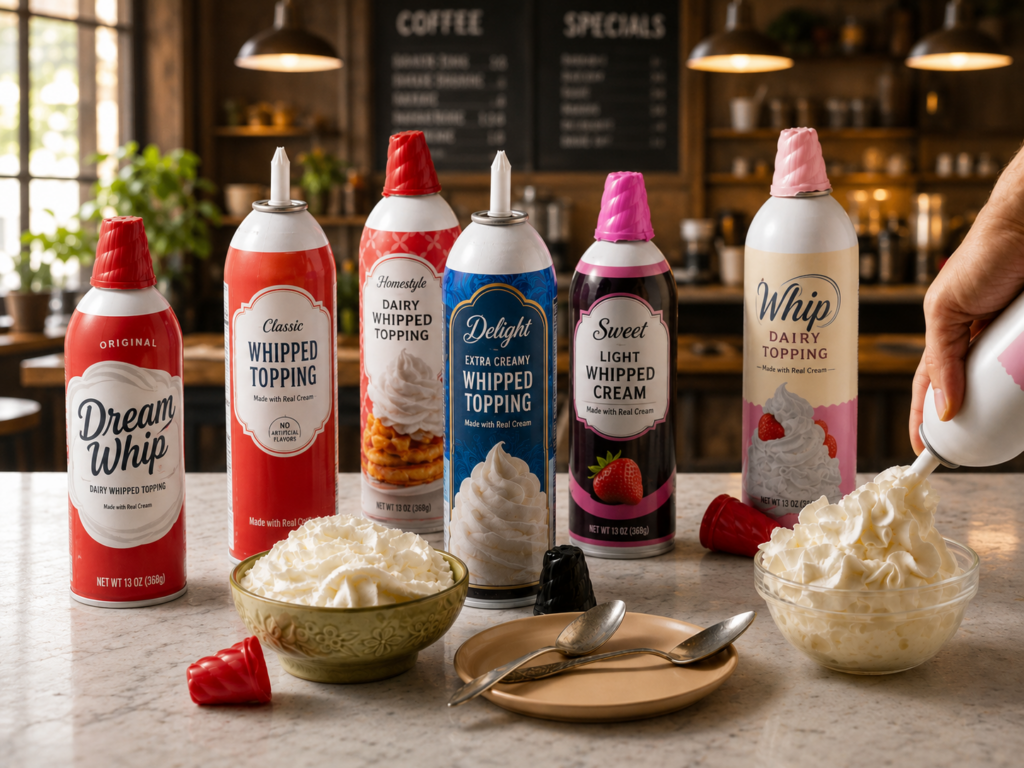
How Aerosol Whipped Cream Works
Inside a pressurised canister, liquid cream is held under pressure alongside a dissolved propellant gas. When the valve is opened, pressure drops, the gas expands rapidly, and the cream is pushed out in its characteristic light, aerated form.
The mechanism is self-contained and requires no preparation, making it well-suited to high-turnover service environments where speed and consistency are priorities.
The Role of Nitrous Oxide (N2O) in Aerosol Whipped Cream
Nitrous oxide (N2O) is the propellant used in almost all aerosol whipped cream products. It is food-safe, flavour-neutral, and soluble in fat, which makes it well matched to cream-based applications.
When N2O dissolves into the cream under pressure, it creates the gas-in-fat structure that produces a stable foam on release. Without it, the cream would simply pour out as liquid.
Ingredients in Aerosol Whipped Cream
The ingredient list is the most reliable quality indicator when evaluating aerosol whipped cream for professional use. Understanding what goes into the canister helps buyers match the product to their operational and quality standards.
Core Ingredients
Most formulations contain the following:
- Cream (typically 28% to 36% fat content)
- Sugar or a sweetener
- Nitrous oxide as the propellant
- Emulsifiers such as mono- and diglycerides to stabilise the foam
Fat content is the most significant quality variable. Higher fat content produces a richer texture and a more stable result on dispensing.
Common Additives and What to Watch For
Many commercial products include carrageenan, a seaweed-derived thickener that improves texture and extends shelf life. Artificial flavourings and preservatives are also common in lower-cost formulations.
For pastry and fine dining applications, a shorter ingredient list and a higher declared cream fat content are reliable indicators of a better-performing product.
A Brief History of Aerosol Whipped Cream
Aerosol whipped cream was first developed in the United States in the 1940s, with early patents associated with food entrepreneur Aaron “Bunny” Lapin. Pressurising cream with N2O in a self-contained canister found commercial traction quickly as convenience food formats gained mainstream acceptance.
By the 1960s and 1970s, the product had become a retail staple across North America and Europe, and professional food service adoption followed as supply chains matured.
Today, aerosol whipped cream is widely used across HORECA operations globally, including in South Africa, Nigeria, and Ghana, where the ready-to-use format suits high-volume service environments.
How to Use Aerosol Whipped Cream Properly
Correct technique extends the usable life of the product and ensures consistent output at the point of service. Before dispensing, shake the can thoroughly and hold it upright or at the angle specified by the manufacturer.
Dispense in short, controlled bursts to avoid over-dispensing and nozzle blockage.
Common Mistakes and How to Avoid Them
The most common errors in professional use include:
- Not shaking the can before service, resulting in an uneven texture
- Storing the can horizontally, which causes the propellant to separate from the cream
- Dispensing onto warm surfaces, which causes the foam to collapse quickly
- Leaving the nozzle dirty leads to blockages and inconsistent flow
After each service session, clear the nozzle by inverting the can and dispensing briefly. This simple step maintains consistent performance and reduces waste.
How to Store Aerosol Whipped Cream and How Long It Lasts
Aerosol whipped cream must be refrigerated at between 2°C and 7°C. In warmer climates across sub-Saharan Africa, maintaining consistent cold storage is especially important because higher ambient temperatures accelerate deterioration once the canister has been opened.
Unopened cans carry a shelf life of several months as indicated by the best-before date. Many operators ask how long spray whipped cream is good for after opening: in most cases, aerosol whipped cream after opening remains usable for two to three days when refrigerated correctly, with some formulations rated for up to five to seven days.
Always confirm the manufacturer’s guidance, as formulation differences affect the safe usable window after first use.
Is Aerosol Whipped Cream Safe?
When used correctly with food-grade ingredients and proper storage, aerosol whipped cream is safe for consumption. The primary considerations relate to the propellant gas and allergen content in the formulation.

Nitrous Oxide in Food Products
The N2O used in aerosol whipped cream is food-grade, meeting the purity and safety standards required for direct food contact. It is regulated under food safety frameworks in most jurisdictions, including South Africa’s standards aligned with DAFF and NRCS requirements.
N2O does not remain in the cream as a residue. It dissipates completely on dispensing, leaving only the aerated cream product.
Allergy Considerations
Aerosol whipped cream typically contains dairy and may include soy-derived emulsifiers. Both are common allergens that must be declared on product labelling in line with applicable food safety regulations.
Buyers sourcing for catering or buffet operations serving guests with dietary restrictions should verify the allergen declaration on the product specification sheet before placing orders.
Aerosol Whipped Cream vs. Fresh Whipped Cream
Fresh whipped cream, prepared by whipping heavy cream manually or with a mixer, offers greater control over fat content, sweetness, and flavour profile. It remains the standard in fine dining and quality-driven pastry environments where ingredient choice is central to the final dish.
Aerosol whipped cream trades that control for speed and consistency. It requires no preparation, performs reliably under service pressure, and has a longer practical shelf life than freshly whipped cream, which begins to weep and separate within an hour.
For quality-first applications, fresh cream prepared in-house remains the professional standard. For high-volume, time-sensitive service, the aerosol format has a clear operational advantage.
Aerosol Whipped Cream vs. Cream Chargers and Dispensers
Both aerosol whipped cream and cream charger systems use N2O to produce whipped cream, but they are designed for different operational contexts. Understanding the distinction helps professional buyers match the right format to their kitchen’s actual needs.
How They Work Differently
Aerosol whipped cream comes pre-formulated in a sealed, single-use canister. A cream charger system uses a reusable dispenser charged with a separate N2O cartridge and freshly prepared cream loaded by the operator.
The charger approach gives full control over fat content, sweetness level, and any flavouring or infusion incorporated. The aerosol format provides none of that flexibility.
Cost and Convenience Compared
On a per-serving basis, aerosol whipped cream typically costs more than a cream charger setup using a bulk N2O supply, and the difference compounds significantly at volume.
Aerosol cans also generate more packaging waste per unit of cream produced. Cream charger systems using larger-format canisters reduce packaging relative to output volume.
Which Is Better for Professional Use?
For professional kitchens producing consistent volume output, a cream charger and dispenser setup generally delivers better cost efficiency, product control, and output quality. FastGas Africa supplies food-grade N2O chargers suited to commercial kitchen environments across South Africa and the broader region.
Aerosol whipped cream remains the better choice for front-of-house convenience, low-volume operations, or contexts where a charger setup is not operationally practical.
Creative Uses for Aerosol Whipped Cream
Beyond standard dessert garnishing, aerosol whipped cream has several practical applications in professional food service:
- Topping hot beverages, including coffee, hot chocolate, and specialty drinks
- Layering inside pastry cases and tart shells during high-speed assembly
- Finishing casual dining desserts and buffet selections quickly and consistently
In high-turnover environments such as hotel breakfast buffets and banquet service, the speed and reliability of the aerosol format make it a practical tool for front-line service staff.
Environmental Impact and Greener Alternatives
Each aerosol whipped cream canister is a single-use pressurised container. The metal cans are technically recyclable but must be completely empty and depressurised before disposal, in line with most municipal recycling requirements.
N2O is a greenhouse gas with a global warming potential considerably higher than carbon dioxide, and cumulative commercial use contributes to overall emissions.
Operators looking to reduce environmental impact can consider cream charger systems using larger-format canisters, which reduce per-unit packaging waste and gas use relative to output.
Buying Guide: What to Look for
When sourcing aerosol whipped cream for professional use, evaluate the following before committing to a supplier:
- Fat content: Products with cream fat above 30% produce better texture and stability
- Ingredient list: Shorter lists with recognisable ingredients generally indicate higher quality
- Canister size: Match volume to your service output to reduce waste from partially used cans
- Food certification: Confirm the product meets applicable local food safety standards
- Cold chain reliability: In Nigeria and Ghana, confirming your supplier’s cold chain capability is essential before purchase
Frequently Asked Questions
Does aerosol whipped cream go bad?
Yes, aerosol whipped cream does go bad. Unopened cans remain stable for several months if stored correctly. Once opened, deterioration accelerates, particularly when cold storage is inconsistent.
How long is spray whipped cream good for after opening?
How long spray whipped cream is good for after opening depends on the formulation and storage conditions.
Most products are usable for two to three days; some formulations extend to five to seven days. Confirm the manufacturer’s recommendation for the specific product in use.
Is aerosol whipped cream real cream?
Most products contain real cream as a primary ingredient, though fat content and quality vary between brands. Always check that cream is listed first in the ingredient declaration.
Are there dairy-free aerosol whipped cream options?
Yes. Coconut cream and oat-based aerosol alternatives are commercially available in several markets. Availability across sub-Saharan Africa is currently limited but expanding through specialty and health food distributors.
Can you make aerosol whipped cream at home?
Not in the pressurised aerosol format. Home users and professionals can replicate the result using a cream whipper and N2O chargers, which typically produce whipped cream of comparable or superior quality to most commercial aerosol products.
Why is only gas coming out of my whipped cream can?
This usually means the canister has been stored at the wrong angle or is nearly empty. Store cans upright and shake thoroughly before service to prevent this.
Can aerosol whipped cream cans be recycled?
Yes, once fully empty and depressurised. Recycling infrastructure varies across South Africa, Nigeria, and Ghana, so checking with your local municipality for current guidance is recommended.


