
Whipping Cream vs Whipped Cream: What is the Difference?
FastGas Blogs

Whipping Cream vs Whipped Cream: What is the Difference?
The confusion between whipping cream and whipped cream is one of the most common and easily avoidable mistakes made in professional kitchens across Africa. Using the wrong product mid-service affects texture, presentation, and output consistency. Understanding the distinction is one of the simpler ways to sharpen your kitchen practice and protect the quality of your output.
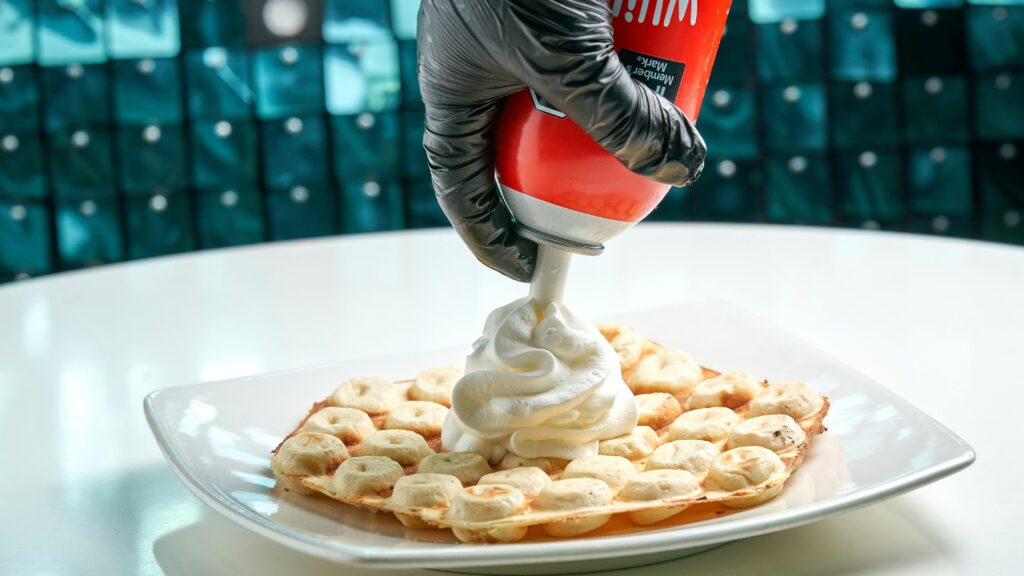
What Is Whipping Cream?
Whipping cream is a liquid dairy product, separated from whole milk during processing and refined to a specific fat concentration. In its natural state, it pours freely and holds no shape on its own.
It is used across a wide range of culinary applications before it is ever turned into anything else.
Fat Content and Why It Matters
Whipping cream typically contains between 30% and 36% fat. This is what allows the cream to trap air when agitated, transforming it from a pourable liquid into a stable foam.
Products with less than 30% fat will not whip reliably and will often produce a soft foam that collapses quickly. For professional kitchens managing high volumes, fat content is not a detail to overlook.
Common Uses of Whipping Cream
In its liquid form, whipping cream is used across a broad range of applications:
- Sauces and gravies, including pepper sauces and béchamel bases
- Soups such as bisques, mushroom, and pumpkin soup
- Baking applications, including custards, ganaches, and pastry creams
- Beverages such as coffee drinks and milkshakes
- Dessert bases including ice cream, mousse, and panna cotta
What Is Whipped Cream?
Whipped cream is what whipping cream becomes once air is incorporated into it. The fat structure traps the air, creating a light, stable foam that holds its shape. Nitrous oxide is one of the gases used to achieve this aeration rapidly and consistently, particularly in professional settings.
The ingredients do not change between the two products. Only the physical structure does.
What Does Whipped Cream Look Like and Taste Like?
Whipped cream is white or off-white, soft, and fluffy. It has a mild, slightly sweet dairy flavour, especially when sugar or vanilla is added during preparation.
When properly made, it holds its shape well enough to pipe, dollop, or layer without collapsing. It should feel smooth rather than grainy, and should not weep or release liquid quickly after plating.
Common Uses of Whipped Cream
Whipped cream is primarily used as a finishing or garnishing element:
- Topping for cakes, cupcakes, and tarts
- Filling for pastries, cream puffs, and layer cakes
- Accompaniment to hot drinks like coffee and hot chocolate
- Garnish for restaurant and fine dining dessert plates
- Component in cold desserts like trifles, parfaits, and sundaes
For cafés and patisseries across South Africa and Nigeria, whipped cream is often a high-frequency product used across multiple menu items per service.
Whipping Cream vs Whipped Cream: The Core Difference
The clearest way to frame whipping cream vs whipped cream is this: one is an ingredient, and the other is a finished product. Whipping cream is what you start with. Whipped cream is what you produce from it.
The two are not interchangeable. Whipping cream can be added to a sauce; whipped cream cannot. Whipped cream can be piped onto a dessert; liquid whipping cream would simply run off the plate.
Using one when a recipe calls for the other will produce the wrong result, regardless of skill level or experience.
Is Heavy Cream the Same as Whipping Cream?
Heavy cream and whipping cream are closely related but not identical. Heavy cream typically contains 36% fat or more, while whipping cream generally falls in the 30% to 36% range.
Both can be whipped successfully, but heavy cream tends to produce a firmer, more stable foam. This makes it preferable when whipped cream needs to hold up under warm conditions or remain on display for an extended period.
In South African wholesale and retail markets, products are often labelled “fresh cream” or “whipping cream” rather than “heavy cream.” In Nigeria, availability varies depending on whether you are sourcing local dairy or imported products. Always check the fat percentage on the label rather than relying on the product name alone.
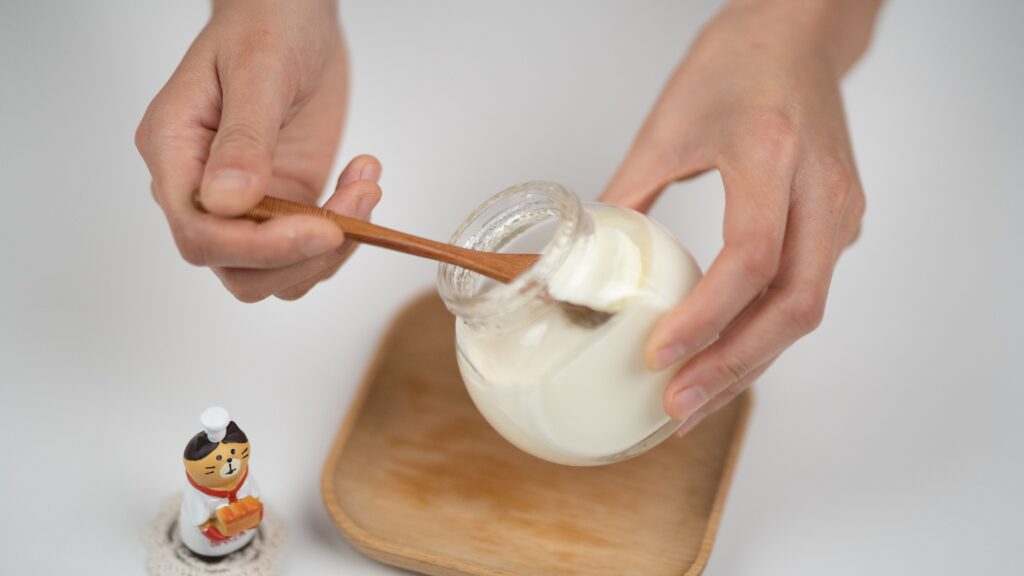
How Is Whipped Cream Made?
There are three main methods used to make whipped cream in a professional setting.
Hand whisking is the most traditional approach. It is practical for very small quantities but is not realistic at any meaningful scale.
Electric and stand mixers are faster and better suited to bakeries producing whipped cream in batches. The main risk is over-whipping, which causes cream to become grainy or begin separating.
Cream chargers and whipped cream dispensers are increasingly the standard for high-volume operations, offering speed, hygiene, and consistency on demand.
Using a Cream Charger for Whipped Cream
A cream charger works by injecting nitrous oxide (N₂O) into a sealed dispenser filled with cold liquid whipping cream. The gas dissolves into the fat under pressure. When the valve is opened, the pressure drops and the gas expands, producing the aerated foam we recognise as whipped cream.
The process is straightforward: fill the dispenser with cold cream, charge it with gas, shake briefly, and dispense. The entire process takes seconds, which matters considerably in a busy service environment.
For large-scale operations such as catering companies, hotel kitchens, and busy café chains, larger cylinder formats reduce the interruptions caused by constantly replacing smaller chargers and allow consistent output across a long service period.
Which Method Gives the Best Results?
For professional kitchens prioritising speed, volume, and consistency, cream chargers typically outperform the alternatives. They eliminate the variability introduced by manual whisking and the risk of over-whipping that comes with electric mixers.
The right method depends on your operation. A small artisan bakery may prefer the control of a stand mixer, while a high-turnover café or catering kitchen will generally benefit most from a pressurised dispensing system.
Can You Buy Ready-Made Whipped Cream?
Ready-made whipped cream is widely available in supermarkets across South Africa, Nigeria and most of Africa, in both aerosol cans and tubs. For home use, these products are convenient. For professional use, they present some meaningful trade-offs.
Store-Bought vs Homemade: What’s the Difference?
Ready-made whipped cream products almost always contain stabilisers, emulsifiers, and added sugars to extend shelf life. The flavour profile is generally blander than freshly made whipped cream, and aerosol products in particular tend to produce a lighter foam that collapses relatively quickly after dispensing.
For a café or restaurant where food quality reflects directly on your brand, freshly made whipped cream gives you full control over flavour, sweetness, and texture. For most professional kitchens, making it in-house is worth the investment in the right equipment and process.
Tips for Perfect Whipped Cream Every Time
Whether you are using a mixer or a cream charger, these principles apply consistently:
- Start with cold cream. Fat whips more effectively when chilled. In warm kitchen environments, a common reality in Nigerian and South African summers, this step makes a measurable difference. Chill your bowl and tools as well, where possible.
- Use cream with sufficient fat content. Aim for at least 30%. Products below this threshold will not whip reliably.
- Do not over-whip. Stop as soon as the cream holds soft or stiff peaks depending on your application. Over-whipped cream becomes grainy and eventually begins to separate.
- Add a sweetener at the right stage. Incorporate icing sugar or vanilla once the cream has begun to thicken slightly, not at the very start.
- Work in smaller, more frequent batches. Whipped cream loses volume and weeps over time. Fresher, smaller batches during service outperform one large batch made at the start of the day.
- Store correctly. Keep whipped cream refrigerated at all times. A charged cream dispenser will keep whipped cream fresh for longer than an open bowl.
Conclusion
Understanding the difference between whipping cream and whipped cream is foundational knowledge for anyone running a professional kitchen. One is a liquid ingredient with a wide range of culinary applications. The other is a finished, aerated product used primarily for finishing and presentation.
For business owners and operators across Africa, getting this distinction right contributes directly to the consistency and quality your customers experience.
Knowing how each product behaves and how to convert one reliably into the other removes a variable from an already demanding kitchen environment. That is what good kitchen practice is ultimately about: making quality repeatable, not accidental.
Frequently Asked Questions
Is whipping cream the same as whipped cream?
No. This is the heart of the whipping cream vs whipped cream question. Whipping cream is a liquid dairy product used as an ingredient. Whipped cream is the aerated, stable foam produced from it. They involve the same base product but are not interchangeable in recipes or on the plate.
Can I use whipping cream instead of whipped cream?
Not directly. If a recipe calls for whipped cream as a topping or filling, you need to aerate the whipping cream first. If a recipe calls for liquid whipping cream in a sauce or custard, substituting pre-whipped cream would change the texture and likely the outcome of the dish.
What is the difference between heavy cream and whipping cream?
The primary difference is fat content. Heavy cream contains 36% fat or more; whipping cream generally falls between 30% and 36%. Both can be whipped, but heavy cream produces a firmer, more stable result. When product labels are unclear, checking the fat percentage is the most reliable approach.
Can you make whipped cream without a mixer?
Yes. Whipped cream can be made by hand using a whisk, though it requires significant effort and time. It can also be made using a cream charger and dispenser, which requires no mechanical mixing at all. For professional kitchens, hand whisking is rarely practical beyond very small quantities.
How long does whipped cream last?
Freshly whipped cream in an open bowl will hold for roughly two to four hours when refrigerated. In a sealed cream charger dispenser, it can last up to several days depending on the cream’s freshness and storage conditions. Store-bought aerosol products have longer shelf lives due to added stabilisers, but quality declines noticeably once opened.
Why is my whipping cream not thickening?
The most common reasons are cream that is too warm, cream with insufficient fat content, or equipment that has not been chilled. In hot kitchen environments, warm cream is the most frequent culprit. Ensure the cream is thoroughly chilled before whipping and verify the fat percentage on your product label meets the minimum threshold.


