
Food-Grade Nitrous Oxide Tanks in Africa: Complete Guide
FastGas Blogs

Food-Grade Nitrous Oxide Tanks in Africa: Complete Guide
It is no secret that nitrous oxide has quietly become one of the most useful tools in modern kitchens. From whipped cream to nitro coffee and molecular gastronomy, food-grade N2O tanks are showing up in professional kitchens and cafes across South Africa, Nigeria, Ghana, and many other African countries; and for good reason.
But not all nitrous oxide is the same. Food-grade tanks meet strict purity standards that medical and industrial versions don’t, and using the wrong type puts your customers and your business at risk.
This guide covers everything you need to know; how these tanks work, the different sizes available, and how chefs across Africa are getting creative with them.
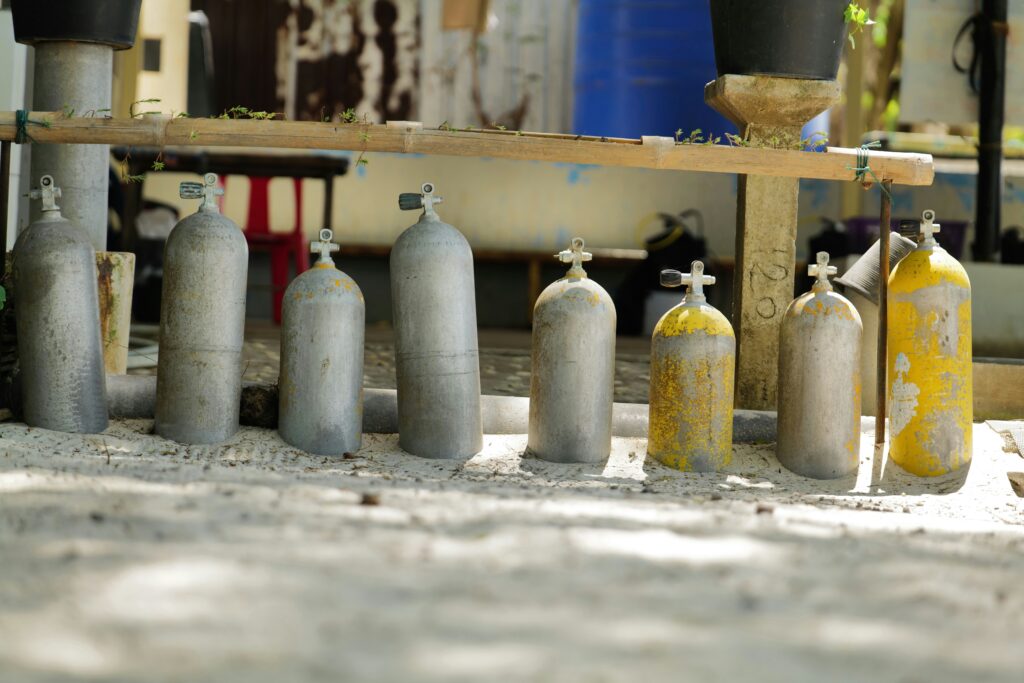
What Is a Food-Grade Nitrous Oxide Tank?
A food-grade nitrous oxide tank is a container designed to store nitrous oxide that meets the purity standards required for use in cooking and food preparation. The gas inside must be at least 99.5% pure; enough to ensure it won’t affect the taste, safety, or quality of your food.
These tanks come in a range of sizes. Small chargers holding around 8 grams work well for home kitchens, while larger cylinders are built for restaurants and cafés with higher daily demands.
What sets food-grade tanks apart is what they don’t contain. Medical tanks are optimised for sterility in clinical settings. Industrial tanks may carry oils or other substances that make them completely unsafe for food use. Food-grade is its own category; and using anything else in your kitchen is a risk not worth taking.
How Food-Grade Nitrous Oxide Tanks Work
Food-grade nitrous oxide tanks store N₂O under high pressure in cylinders built specifically for culinary use. Inside the tank, the gas stays compressed and stable until you need it. The basic process works like this:
- Pressurized N₂O sits compressed and stable inside the cylinder
- You connect the tank to a dispenser or regulator and open the valve
- Gas flows from high pressure to low pressure into your equipment
- N₂O dissolves into your cream or liquid under pressure
- When released, the gas expands and creates a light, stable foam
That pressure differential is what drives the dispensing; no pump or external force needed. The tank maintains consistent pressure throughout use, which is why output stays uniform from the first serving to the last. Built-in safety features like pressure release valves prevent over-pressurization, and regulators give you control over flow rate depending on your application.
Tank size determines how long a cylinder lasts between refills. Smaller chargers are single-use. Larger cylinders are designed for extended commercial use and connect to equipment through standardized fittings and adapters.
Food-Grade vs. Medical Nitrous Oxide
Food-grade and medical nitrous oxide are the same chemical compound (N₂O), but they differ in important ways. Understanding these differences helps you choose the right type for your needs across Africa.
Purity Standards
Medical-grade nitrous oxide goes through stricter purification processes. It typically meets pharmaceutical standards required for human medical use. Food-grade nitrous oxide has a purity level of about 99.5% – 99.9%, which is suitable for culinary applications like whipping cream and making foams.
Intended Applications
Medical-grade is used in hospitals and dental clinics as an anesthetic. Food-grade is designed for the food industry. You’ll find it in whipped cream dispensers, cocktail preparation, and other culinary tasks.
Testing and Regulations
The key difference lies in how each type is tested and regulated. Medical-grade undergoes more extensive testing to ensure it meets healthcare safety standards. Food-grade must meet food safety requirements but faces less stringent testing than medical varieties.
Key Differences at a Glance
| Feature | Food-Grade | Medical-Grade |
| Primary Use | Culinary applications | Anesthesia and medical procedures |
| Purity Level | ~99.5% | Higher purity with stricter standards |
| Testing | Food safety standards | Pharmaceutical-grade testing |
| Regulation | Food industry regulations | Medical device regulations |
| Price | Lower cost | Higher cost |
Important Safety Note
Food-grade nitrous oxide tanks may contain industrial lubricants from manufacturing. These lubricants can create an oily residue on equipment. This is acceptable for food preparation but makes food-grade unsuitable for medical purposes.
Key Features of Food-Grade Nitrous Oxide Tanks for Africa
Food-grade nitrous oxide tanks come in different formats to match your kitchen needs, from small single-use chargers to larger refillable cylinders. The size you choose depends on how often you make whipped cream, foams, or infusions in your business.
Available Types and Sizes
You can buy nitrous oxide tanks in two main categories: cream chargers and refillable cylinders.
Cream chargers are small, single-use cartridges that hold 8 grams of N2O. These whipped cream chargers work with standard dispensers and are common in South African restaurants and Nigerian bakeries. You’ll find them sold in boxes of 10, 24, or 50 units.
Refillable N2O tanks range from 580 grams to 2 kilograms or larger. These cylinders are better for busy kitchens in places like Lagos, Johannesburg, or Accra where you make high volumes of whipped cream daily. Larger tanks cost more upfront but give you better value per gram.
The tanks include safety features like pressure release valves and gauges. You need compatible regulators and adapters based on your tank size. Most suppliers in Ghana, Nigeria, and South Africa stock both formats with food-grade certification marked clearly on the packaging.
Culinary Applications Powered by Nitrous Oxide Tanks
Food-grade nitrous oxide tanks power a range of professional kitchen techniques across Africa, from creating light dessert toppings to crafting nitrogen-infused beverages. These applications rely on the gas’s ability to dissolve into liquids under pressure and create stable foams when released.
Whipped Cream and Dessert Applications
Charge a dispenser with an 8-gram N₂O cartridge, shake, and you have consistent whipped cream in seconds. No whisking, no mixer, no variation in texture. When you’re preparing large volumes for events or commercial service, that consistency matters.
Beyond whipped cream, the same technique works for flavored foams, mousses, and airy toppings. Fruit purees, chocolate bases, and spice-infused creams all respond well to the dispenser method, giving you a versatile tool for dessert production without needing additional stabilizers.
Nitro Coffee and Mixology
N₂O turns cold brew into a smooth, creamy pour with a cascading effect and no dairy needed. The equipment is minimal; just a dispenser and food-grade cartridges, making it an easy addition to any café menu.
Bartenders use the same setup for foam cocktails and rapid infusions. Fruits, herbs, or spices that would normally take days to steep are ready in minutes under pressure, opening up a lot of creative possibilities for signature drinks.
Innovations in Beverage Production
Commercial producers use larger N₂O tanks to nitrogenate drinks at scale. The gas creates smaller, smoother bubbles than CO₂, which is why nitro versions of cold brew and craft sodas have a noticeably different mouthfeel to their carbonated counterparts.
The same pressure technique can also infuse marinades into ingredients, create shelf-stable foam toppings for canned products, and significantly cut preparation time across a range of beverage applications.
Benefits of Using Food-Grade Nitrous Oxide Tanks in Africa
Food-grade nitrous oxide tanks deliver reliable performance in commercial kitchens across Africa, from Cape Town to Lagos and beyond. These tanks help you maintain product standards while keeping your prepared foods fresh for longer periods.
Consistency in Quality
Food-grade N₂O tanks deliver the same results every time. Regulated purity standards mean each canister is free from oils, moisture, and contaminants that could affect texture or taste. Whether you’re making whipped cream or delicate foams, you get the same outcome batch after batch; which matters when you’re running a busy kitchen and can’t afford failed recipes during peak hours.
Extended Shelf Life of Products
N₂O displaces oxygen inside dispensers, which slows bacterial growth and oxidation. Whipped cream stored this way stays fresh for up to 10 days in the refrigerator, compared to 2-3 days for traditionally whipped cream; a meaningful difference for any food business watching its waste.
The same principle applies to infused oils, flavored creams, and specialty foams, all of which hold their flavor and quality significantly longer. In warmer climates like those across West and Southern Africa, where food spoilage happens faster, that extended shelf life has a direct impact on your bottom line.
Selecting the Right Tank Size for Your Business’ Needs
Earlier, we briefly touched on the fact that nitrous oxide cylinders come in different sizes to meet various kitchen needs. Your choice as a business owner depends on how much whipped cream you make and how often you use it.
Tank Sizes Compared: Small Cartridges vs. Large Cylinders
Small 8-gram cartridges are the most common starting point for home kitchens and small cafés. Each one produces around 0.5 liters of whipped cream and fits any standard dispenser; practical if you’re only making a few servings a day.
Medium cylinders between 1 and 2.2 liters are the sweet spot for restaurants and dessert shops with moderate output. A 1-liter tank yields roughly 60-70 liters of whipped cream; a 2.2-liter gets you 130-150 liters. These are the sizes most commonly used in busy kitchens across Lagos, Accra, and Johannesburg.
Large cylinders of 3.3 liters or more are built for high-volume operations; hotel kitchens, catering companies, and commercial bakeries that can’t afford frequent refills during service.
Matching Tank Size to Your Output Volume
Start with your daily output. A café serving 20-30 desserts in Cape Town can manage comfortably with small cartridges or a 1-liter cylinder. Mid-sized restaurants doing 50-100 covers should be looking at 2.2-liter cylinders.
Storage space and cost efficiency both factor in. Larger cylinders take up more room but cost less per gram and reduce how often you reorder. Smaller options fit tighter kitchen spaces but add up quickly in cost if your volume is high. Buy for what you actually use; gas sitting too long in storage is money wasted.
Nitrous Oxide in Dessert Decoration and Presentation
Food-grade nitrous oxide tanks give African businesses the power to create stunning dessert presentations that impress customers. The gas works by creating light, airy textures that add visual appeal to your dishes.
You can use nitrous oxide to make delicate foams that sit perfectly on top of cakes, mousses, and plated desserts. These foams add height and elegance to your presentation without adding heavy ingredients.

Whipped cream dispensers filled with nitrous oxide let you create consistent, professional-looking decorations every time. You get smooth swirls and peaks that hold their shape longer than traditional whipped cream.
In South Africa, restaurants and bakeries use nitrous oxide to create modern dessert presentations that stand out. Nigerian pastry chefs apply the same technology to add new textures to traditional sweet dishes. Ghanaian cafes use it to top specialty drinks with flavored foams that customers love.
Here are common presentation uses:
- Chocolate mousse clouds that float on dessert plates
- Fruit foam garnishes in bright colors
- Flavored cream decorations with unique patterns
- Instant whipped toppings for parfaits and sundaes
You can pipe the foam into different shapes using various nozzles. This gives you control over the final look of your desserts. The gas creates tiny bubbles that make your decorations look light and professional.
Nitrous oxide also helps you work faster during busy service times. You prepare your base mixture once, then dispense fresh decorations as needed throughout the day.
Safety Guidelines for Food-Grade Nitrous Oxide Tanks
Food-grade nitrous oxide requires specific handling practices to protect your staff and maintain product quality. You need to follow clear storage rules and use only certified food-grade gas in your business.
Use Only Food-Grade N2O for Culinary Purposes
Before using any nitrous oxide tank in your kitchen, confirm it carries food-grade certification. Food-grade N₂O meets strict purity standards and is designated E942; that marking on the documentation is what you’re looking for.
Medical and industrial tanks look identical from the outside but contain additives that make them unsafe for food use and non-compliant with food safety regulations. A reputable supplier will always provide a Certificate of Analysis and Safety Data Sheet with each delivery. If they can’t, that’s your answer.
Never substitute industrial-grade tanks in culinary applications, regardless of how similar they appear.
Storage and Handling Requirements
Store your nitrous oxide cylinders upright in a cool, dry location away from direct sunlight. Keep storage areas below 50°C and maintain good ventilation to prevent gas buildup.
Secure cylinders with chains or racks to prevent them from falling. Never store food-grade nitrous oxide near heat sources, open flames, or flammable materials, as N₂O supports combustion.
Key storage requirements:
- Keep cylinders in well-ventilated areas
- Secure tanks upright with proper equipment
- Store away from heat and flammable substances
- Maintain temperatures below 50°C
- Protect from physical damage during transport
Train your staff on proper cylinder handling procedures. They should know how to check for leaks, inspect valve conditions, and respond to emergencies. Regular inspections help you identify damaged cylinders before they become safety hazards in your restaurant or catering operation.
Common Misconceptions About Food-Grade Nitrous Oxide
Food-grade and medical-grade N₂O are not the same thing. Medical-grade is manufactured for pharmaceutical sterility in clinical settings; different standards, different purposes.
Many people also assume food-grade N₂O is only for whipped cream. In reality it covers molecular gastronomy, rapid infusions, foamed cocktails, and a growing range of culinary techniques.
Not all canisters on the market are food-safe either. Technical-grade N₂O can contain impurities that make it unsuitable for consumption, so always check for certification and ask your supplier for documentation.
Emerging Trends in Culinary Nitrous Oxide
The most visible shift in the market is the move away from small 8g chargers toward larger cylinder formats. Professional kitchens are increasingly opting for 670g and 2000g tanks; better value per gram, fewer changeovers during service, and less frequent reordering. South African distributors report that restaurants switching to 670g cylinders cut their ordering frequency by around 75%.
Beyond whipped cream, nitrous oxide is finding its way into a growing range of culinary applications:
- Molecular gastronomy foams and textured sauces
- Premium beverage programs and rapid infusions
- Ready-to-eat food production at commercial scale
Chefs across Johannesburg, Lagos, and Accra are leading a lot of this experimentation, pushing N₂O well beyond its traditional role in the kitchen. The global market reflects this momentum, projected to grow from $1.2 billion in 2024 to over $1.8 billion by 2032, driven largely by upscale restaurants, hotel chains, and catering companies buying in bulk and prioritising verified food-grade supply chains.
Conclusion
Food-grade nitrous oxide tanks are a straightforward upgrade for any kitchen serious about quality. Whether you’re running a busy restaurant in Johannesburg, a café in Lagos, or catering events in Accra, the right tank; properly certified and correctly stored; opens up a lot of culinary possibilities beyond just whipped cream.
The key takeaway is simple: always verify food-grade certification before you buy, choose a reputable supplier, and follow safe handling practices. Get those basics right and these tanks will reliably deliver consistent, professional results.
Frequently Asked Questions About Nitrous Oxide Tanks
Nitrous oxide tanks come with a lot of questions, especially if you are new to using them in a professional kitchen. Here are straight answers to the ones that come up most often.
Is it safe to use a food-grade nitrous oxide tank in my kitchen?
Yes, as long as it carries proper food-grade certification. A certified tank has been manufactured to a minimum purity of 99.5%, meaning the gas is free from contaminants that could harm your customers or affect your food. The risks come from using the wrong grade, improper storage, or sourcing from unverified suppliers.
What exactly is inside a food-grade nitrous oxide tank?
Highly purified nitrous oxide gas, compressed under high pressure. The E942 designation on the packaging confirms the gas meets food safety standards and is free from oils, moisture, and other impurities that would make it unsuitable for culinary use.
How is a food-grade nitrous oxide tank different from a medical one?
Same chemical compound, different manufacturing standards. Medical tanks are produced for clinical and pharmaceutical applications with stricter sterility requirements. Food-grade tanks are certified safe for direct contact with food and beverages. They are not interchangeable and should never be treated as such.


