
Types of Cream and Their Uses: African Guide | FastGas
FastGas Blogs

Types of Cream and Their Uses: African Guide
Sourcing the right cream for a professional kitchen is an operational decision that directly affects texture, yield, and presentation. The types of cream available across African markets vary considerably in fat content, stability, and culinary behaviour. Understanding those differences gives pastry chefs, bakery owners, and HORECA buyers a clear framework for better purchasing decisions.
What Makes Creams Different? Fat Content Explained
Fat content is the single most important variable that separates one cream from another, determining both its ability to trap air when agitated and its tolerance for heat.
Higher-fat creams produce more stable foams and behave more predictably in hot applications, while lower-fat creams are more prone to curdling under heat or acidity.
When pairing cream with a pressurised dispensing system, fat content becomes critical. Nitrous oxide dissolves into fat molecules under pressure and expands into a stable foam when released. Creams below 30% fat will not aerate reliably using this method.
Fresh Cream
Of the cream types most commonly stocked across African retail and wholesale channels, fresh cream is the most widely available everyday option for cooked preparations.
What Is Fresh Cream?
Fresh cream is a minimally processed liquid cream with a fat content typically between 18% and 25%, containing no added stabilisers and carrying a clean, mild dairy flavour. In South Africa, fat percentages vary between brands, so always check the label.
Best Uses for Fresh Cream
Fresh cream works well in hot beverages, light sauces, soups, and custard bases where a creamy consistency is needed rather than aeration.
Whipping Cream
Whipping cream is the workhorse cream in professional pastry and bakery environments, covering the broadest range of aeration applications.
What Is Whipping Cream?
Whipping cream has a fat content generally between 30% and 36%, the functional minimum for reliable aeration. Across South African and Nigerian markets, fat content labelling is inconsistent, so always verify the percentage on the packaging.
Best Uses for Whipping Cream
Whipping cream is the standard choice for whipped toppings, mousse bases, ganaches, and cream fillings in hotel kitchens, catering businesses, and café operations.
Heavy Cream
Heavy cream offers greater structural stability than whipping cream, making it the preferred choice where a firmer, longer-lasting result is required.
What Is Heavy Cream?
Heavy cream contains 36% fat or more, producing a firmer and more stable foam that holds its shape longer after dispensing. It is also more heat-resistant than lighter creams, making it effective in both sweet and savoury applications.
Best Uses for Heavy Cream
Heavy cream suits layered desserts, cake fillings, restaurant garnishes, cream reductions, and rich savoury sauces where structural integrity and heat stability are required.
Double Cream
Of all the standard cream types, double cream demands the most precision during preparation and is not always straightforward to source outside South Africa.
What Is Double Cream?
Double cream has a fat content of approximately 48% or higher and reaches stiff peaks very quickly when whipped. Availability in South Africa is reasonable through specialist suppliers but limited in Nigerian and Ghanaian wholesale markets.
Best Uses for Double Cream
Double cream suits applications requiring maximum richness and firmness, including cream horns, scone toppings, dense layered desserts, and high-fat ganaches.
Thickened Cream
For professional kitchens operating in warm climates, thickened cream is often the more practical choice over standard whipping cream.
What Is Thickened Cream?
Thickened cream is whipping or heavy cream with added stabilisers, most commonly gelatin or carrageenan, to extend foam stability. Its fat content typically mirrors whipping cream at 35% to 36%, and it is widely available across South African supermarkets and foodservice distributors.
Best Uses for Thickened Cream
Thickened cream is particularly useful for catering operations, outdoor events, and environments where finished dishes may sit at ambient temperature for longer than ideal.
Light Cream
Light cream is a common choice for operations that need dairy richness without the weight of a higher-fat product, particularly in café and beverage settings.
What Is Light Cream?
Light cream falls in the 18% to 30% fat range, adding a creamy consistency and richer flavour than fresh cream but lacking the fat required to whip into a stable foam.
Best Uses for Light Cream
Light cream suits pouring over desserts, stirring into coffee, and enriching soups and sauces where a lighter body is preferred.
Cooking Cream
Not all lower-fat creams can withstand the demands of a hot kitchen, and cooking cream is the product designed specifically for that purpose.
What Is Cooking Cream?
Cooking cream is formulated with stabilisers that prevent curdling when exposed to heat or acidic ingredients such as tomatoes or wine. Its fat content generally sits between 15% and 25%.
Best Uses for Cooking Cream
Cooking cream is the appropriate choice for cream-based pasta sauces, savoury reductions, soups, and gravies where a creamy consistency under heat is required.
Half and Half
Half and half is not a standard product category in most African wholesale markets, but it appears on imported product labels and international recipes that HORECA buyers may encounter.
What Is Half and Half?
Half and half is a blend of equal parts whole milk and cream with a fat content of approximately 10% to 18%. It will not whip due to insufficient fat and is not suitable for use with a pressurised cream dispenser. Where it is unavailable, fresh cream or light cream serves as a practical substitute in most applications.
Best Uses for Half and Half
Half and half is used to enrich hot beverages, lighten custard mixtures, and add a subtle creaminess to sauces where a very delicate body is required. In South African, Nigerian, and Ghanaian kitchens, light cream is typically the closest available equivalent.
Sour Cream
Sour cream bridges sweet and savoury applications in a way few dairy products can, making it a versatile stock item across HORECA menus.
What Is Sour Cream?
Sour cream is produced by fermenting regular cream with lactic acid bacteria, giving it a tangy flavour and thick, spoonable texture with a fat content generally between 14% and 20%.
Best Uses for Sour Cream
Sour cream works well as a garnish, dip base, and ingredient in baked goods such as cheesecakes and pound cakes. Adding it to hot preparations requires care to prevent splitting.
Crème Fraîche
Where sour cream falls short under heat, crème fraîche excels, making it the cultured cream of choice for fine dining and premium kitchen environments.
What Is Crème Fraîche?
Crème fraîche is a cultured cream with a fat content between 28% and 40%, making it more heat-stable than sour cream and suitable for addition to hot sauces and reductions without curdling.
Best Uses for Crème Fraîche
Crème fraîche suits fine dining applications including finishing pan sauces and enriching soups, and can be whipped lightly to produce a soft, tangy topping for desserts.
Clotted Cream
Clotted cream occupies a specialist position in the professional kitchen and is most closely associated with British-style afternoon tea service.
What Is Clotted Cream?
Clotted cream is produced by slowly heating full-cream milk until the cream rises and forms a thick, golden crust with a fat content of approximately 55% to 60%.
Best Uses for Clotted Cream
Clotted cream is served alongside scones and jam at boutique hotels, English-style tea rooms, and specialty dessert cafés across South Africa. It is not appropriate for cooking or aeration.
Non-Dairy and Plant-Based Whipping Cream
Plant-based alternatives are increasingly relevant for HORECA operations catering to diverse dietary requirements across African markets.
What Is Non-Dairy Whipping Cream?
Non-dairy whipping cream is formulated from coconut fat, palm kernel oil, or soy protein, combined with emulsifiers and stabilisers that enable reliable aeration, often outperforming standard dairy whipping cream in warm conditions.
Best Uses for Non-Dairy Whipping Cream
Non-dairy whipping cream suits allergen-conscious menus, vegan pastry production, and warm-climate service environments where its extended stability is a practical advantage.
Which Cream Types Work with an N2O Cream Charger?
For a cream to aerate successfully using a pressurised dispensing system, it must contain a minimum of 30% fat. Below that threshold, nitrous oxide cannot dissolve into the fat molecules effectively enough to create a stable foam.
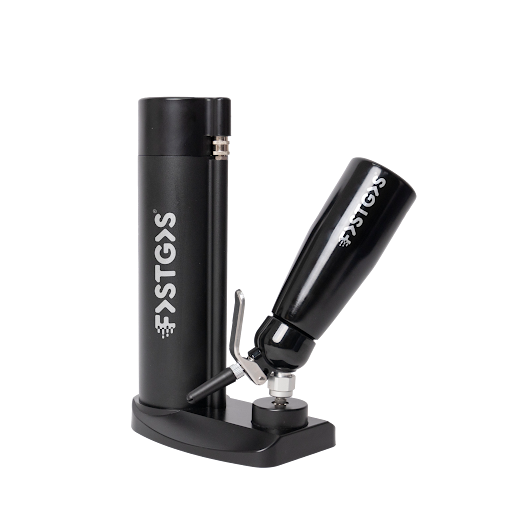
The following cream types are compatible with a cream charger:
- Whipping cream (30% to 36% fat)
- Heavy cream (36% and above)
- Double cream (approximately 48% and above)
- Thickened cream (35% to 36%, with stabilisers)
- Crème fraîche (suitable for light aeration)
- Non-dairy whipping cream (where formulated for N2O use)
Fresh cream, light cream, cooking cream, and half and half fall below the required fat threshold and will not produce a usable foam. All compatible creams should be well chilled before charging, ideally between 2°C and 6°C.
For professional operations sourcing food-grade N2O in the region, FastGas cream charger products are available across African markets.
Conclusion
The types of cream covered in this guide fall into clear functional groups that make sourcing decisions more straightforward. Liquid cream additions (fresh cream, light cream, cooking cream, and half and half) contribute richness and a creamy consistency but are not suited to whipping or structural use.
Whipping cream and heavy cream serve as the operational workhorses for most pastry and bakery applications, while double cream and thickened cream are better suited to longer hold times or warm-climate service conditions. Cultured and specialist items such as sour cream, crème fraîche, clotted cream, and non-dairy alternatives each occupy a well-defined role in the professional kitchen. Across all categories, fat content remains the single most reliable guide when evaluating any of the types of cream in your market.
Frequently Asked Questions
What are the different types of cream, and what is each one used for?
The main types of cream are fresh cream, whipping cream, heavy cream, double cream, thickened cream, light cream, cooking cream, half and half, sour cream, crème fraîche, clotted cream, and non-dairy whipping cream, each defined by fat content and processing, which determines its suited application.
What is the difference between heavy cream, double cream, and whipping cream?
Whipping cream (30% to 36% fat) is the standard for aeration; heavy cream (36% and above) produces a firmer, longer-lasting foam; and double cream (approximately 48% and above) whips very quickly and risks over-whipping if not carefully monitored.
Which type of cream is best for cake decoration and piping in a professional setting?
Heavy cream and thickened cream are the most reliable choices, with thickened cream offering the added advantage of stabilisers that extend structural integrity in warm-climate kitchens across Africa.
How does fat content determine how well a cream whips and holds its shape?
When cream is agitated, fat molecules form a network around air bubbles that creates and holds the foam structure, and a minimum fat content of around 30% is required for a stable result.
Which cream types work best with an N2O cream charger?
Whipping cream, heavy cream, double cream, and thickened cream are all suitable, provided they contain at least 30% fat and are well chilled; fresh cream, light cream, cooking cream, and half and half are not compatible with this method.
What is the difference between cooking cream and light cream?
Cooking cream contains stabilisers that prevent curdling under heat and acidity, while light cream has no heat-stable additives and is better suited to cold uses such as pouring over desserts or enriching beverages.
How should cream be stored in warm climate markets like South Africa, Nigeria, and Ghana?
All dairy cream should be stored between 2°C and 4°C, and thickened cream and non-dairy whipping cream offer more forgiving performance for operations dealing with cold chain gaps or inconsistent power supply.


