
What Are Carbonated Drinks?
FastGas Blogs

Carbonated drinks are a staple of modern food service, yet the production and science behind them remain poorly understood by many of the professionals who serve them daily. From a high-volume bar in Johannesburg to a hotel kitchen in Lagos, a clear understanding of how carbonation works offers a genuine operational advantage.
This guide is a practical reference for food and beverage professionals making informed sourcing and production decisions about carbonated drinks.
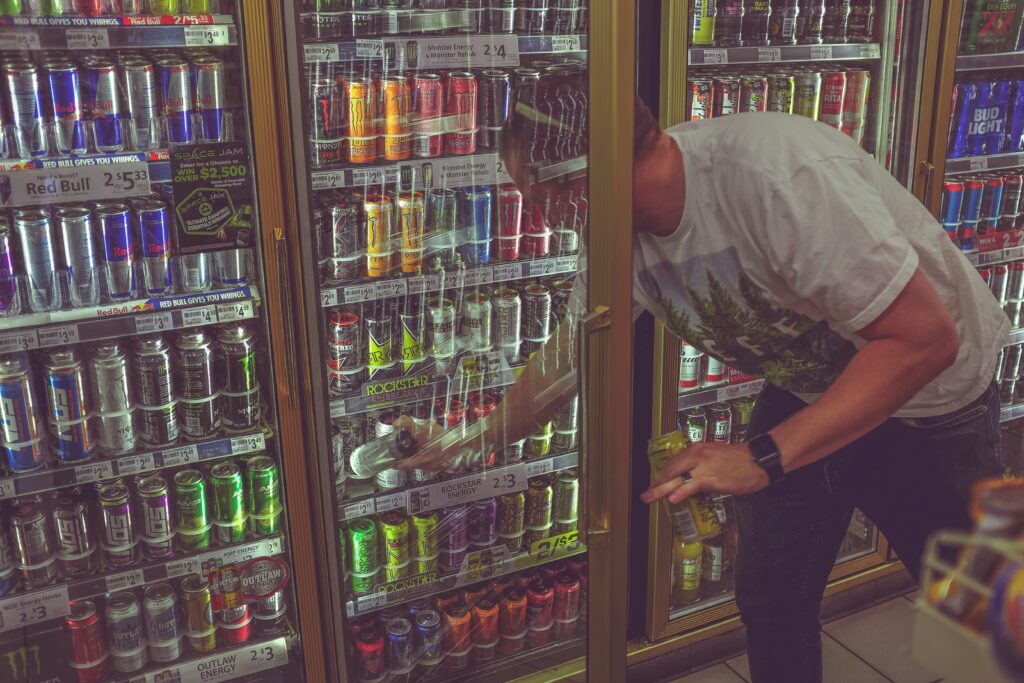
What are carbonated drinks and what is in them?
Carbonated drinks are beverages containing dissolved carbon dioxide (CO₂) gas, which produces the characteristic bubbles and fizzy bubbly sensation consumers associate with them. At their simplest, carbonated beverages consist of water, dissolved CO₂, and whatever flavourings, sweeteners, or alcohol the recipe requires.
Most commercially produced carbonated soft drinks also contain acidulants such as citric or phosphoric acid, natural or artificial flavourings, and preservatives that influence shelf life and storage behaviour. In markets like South Africa, Nigeria, and Ghana, where ambient temperatures are consistently warm, the stability of dissolved CO₂ is a genuine operational consideration.
Not all effervescence in beverages comes from CO₂ alone. Nitrous oxide (N₂O) is used in professional settings to aerate and texturise certain drinks and culinary preparations, and N2O in Africa now serves a growing number of bars and restaurants incorporating gas-based techniques into their menus.
What makes carbonated beverages fizzy?
The fizz in carbonated beverages is the result of CO₂ dissolving into liquid under pressure, a principle governed by Henry’s Law. What is the fizz in soda? It is the rapid release of that dissolved gas when pressure drops, such as when you open a bottle or crack a can.
What gas makes soda bubbly? Carbon dioxide. It is the preferred gas because it is inert, food-safe, widely available, and dissolves efficiently into cold water, making it practical for both commercial production and professional in-house carbonation setups.
Why is soda bubbly even before it is opened? Because the liquid is packaged under pressure, which holds the CO₂ in solution. Once the seal is broken and pressure drops to atmospheric levels, the gas begins to escape, which is why a warm bottle of soda loses its fizz considerably faster than a chilled one.
Types of carbonated drinks
Carbonated drinks span a wide range of categories, from everyday sodas to fermented beverages and craft cocktail formats. Below is an overview of the main types of professionals encountered in food service settings.
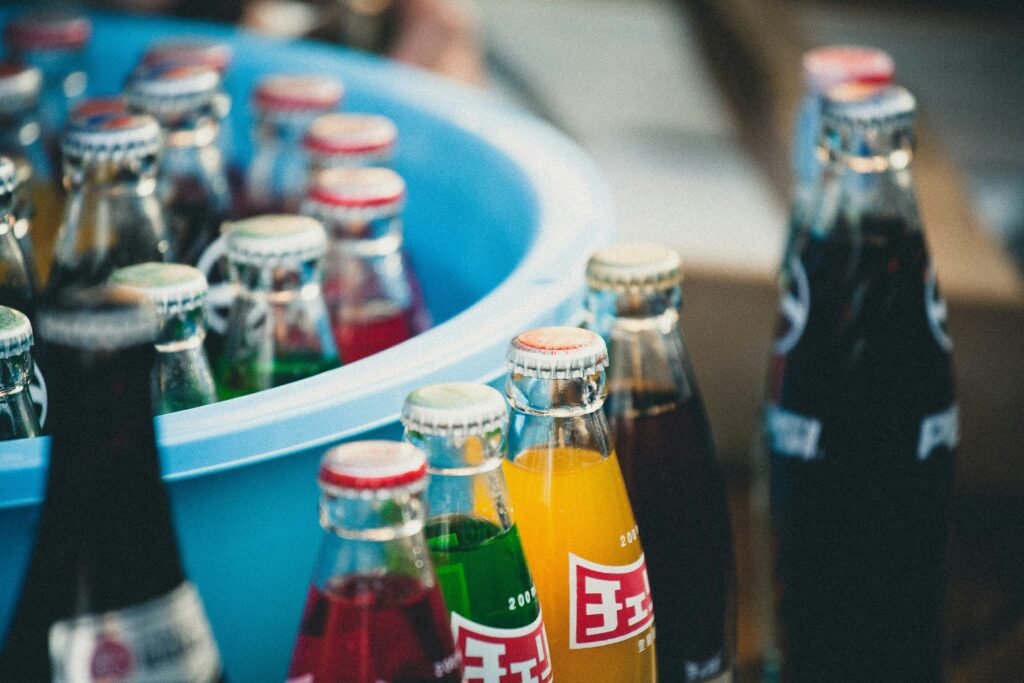
Soft drinks (sodas)
Carbonated soft drinks are the most widely consumed category globally and across African markets. Brands such as Coca-Cola and Pepsi dominate retail and food service channels throughout South Africa, Nigeria, and Ghana.
These products are carbonated under high pressure during manufacturing and sealed to preserve effervescence until the point of sale.
Sparkling water
Sparkling water is water that has been carbonated, either naturally through geological processes or artificially through forced CO₂ injection. In professional food service, it is served alongside spirits, used as a mixer, or offered as an alternative for health-conscious guests.
Demand in upmarket South African restaurants and hotels has grown steadily over the past decade.
Sparkling wines & champagne
Sparkling wines, including Champagne and Prosecco, achieve their carbonation through a secondary fermentation process in which yeast produces CO₂ inside a sealed bottle or tank.
South Africa produces its own Méthode Cap Classique sparkling wines, which are well regarded regionally and widely stocked across premium on-trade venues. The fine, persistent bubbles are distinctly different in character from those found in carbonated soft drinks.
Beer and other alcoholic carbonated beverages
Beer is naturally carbonated as a byproduct of fermentation, though most commercial breweries also inject CO₂ to achieve a consistent finish across batches.
Hard seltzers and ready-to-drink alcoholic carbonated beverages have gained significant ground across South African and Nigerian bars and bottle stores. Managing CO₂ supply and draught system pressure is standard operational practice for any venue serving draught beer.
Kombucha
Kombucha is a fermented tea that produces its own carbonation naturally during fermentation. It has grown considerably in health-focused food service settings and is increasingly offered on tap in speciality cafés across South Africa’s major urban centres.
Its natural effervescence makes it a practical option for guests seeking fizzy bubbly drinks without artificial additives.
Carbonated fruit juices and beverages
Carbonated fruit juices are produced by injecting CO₂ into juice-based liquids and are popular across West and East African markets.
In Nigeria and Ghana in particular, locally produced carbonated fruit drinks form a meaningful share of the non-alcoholic beverage category. They are commonly positioned as more natural alternatives to conventional carbonated soft drinks.
Carbonated cocktails
Carbonated cocktails, including spritz formats and pre-batched sparkling serves, have become a fixture of high-volume bar menus. These can be produced using sparkling wine, tonic, soda water, or through direct carbonation of a pre-mixed base using professional equipment.
Batching and carbonating cocktails in advance offers significant efficiency gains for operations serving large numbers of covers.
Are carbonated drinks bad for you?
Whether carbonated drinks are harmful depends almost entirely on what else is in the drink beyond the CO₂. Carbonation itself does not cause meaningful harm to healthy adults when consumed in normal quantities.

The real concern lies in what frequently accompanies carbonation in commercial products: high sugar levels, artificial sweeteners, and acidulants that carry well-documented health implications when consumed in excess. Carbonic acid, which forms when CO₂ dissolves in water, is mildly acidic and can contribute to enamel erosion over time, particularly in combination with the stronger acids found in flavoured sodas.
For food service professionals, understanding this distinction is useful when designing beverage programmes with a health-conscious positioning or when responding to guest questions about menu choices, particularly in upmarket South African and Nigerian venues where health-aware consumers represent a growing share of covers.
What carbonated drinks are good for you?
Plain sparkling water is widely regarded as a healthy carbonated option, delivering the sensory experience of a fizzy drink without sugar, artificial additives, or significant acidity. For guests reducing sugar intake without giving up carbonated beverages, sparkling water with natural fruit infusions is a practical and increasingly popular choice.
Sparkling water with natural fruit infusions is a low-cost, high-margin addition to any non-alcoholic drinks list. Kombucha positions better as a premium offering, commanding higher menu prices that reflect its production costs. Both are well-suited to health-aware beverage programmes across South African and Ghanaian hotel and corporate catering operations.
Carbonated drinks with no sugar or artificial sweeteners
Several commercially available carbonated beverages are now produced with neither sugar nor artificial sweeteners, relying instead on natural flavours and minimal caloric content. These include plain sparkling water, certain botanical sparkling drinks, and some kombucha products.
For operators designing beverage programmes with a health-aware focus, these options allow you to offer carbonated beverages without the reputational compromise associated with sugar-heavy sodas.
Carbonated drinks with sugar or artificial sweeteners
The majority of commercially produced carbonated soft drinks are sweetened with either sugar or a substitute such as aspartame, sucralose, or stevia. High-sugar sodas remain the dominant volume category across most African markets, driven by price accessibility and strong brand recognition.
Artificially sweetened variants are growing in share as urban consumers become more health-conscious, though they remain a smaller segment of the overall carbonated beverages market across the region.
How to carbonate drinks at home
In-house carbonation involves dissolving CO₂ or N₂O into a liquid under controlled pressure using a soda siphon or countertop system connected to a food-grade gas cylinder. This allows bars and restaurants to carbonate still water, juices, and cocktails on demand.
N₂O specifically is used not for conventional carbonation but to aerate and texturise beverages, making it the preferred gas for foams, whipped cream, and certain cocktail applications.
A FastGas cream charger used with a siphon can produce infused foams and espumas efficiently, and FastGas Africa supplies food-grade N₂O to professional kitchens and bars across the continent for exactly these applications.
Conclusion
Understanding what carbonated drinks are, how they are produced, and which gases drive their effervescence is foundational knowledge for any food and beverage professional making sourcing and production decisions.
For most operations, pre-packaged carbonated drinks remain the simplest and most reliable choice, offering predictable shelf life and wide availability across South Africa, Nigeria, Ghana, and other major African markets.
In-house carbonation becomes the more efficient professional choice when volume is high, menu differentiation is a priority, or cost control is under pressure. Whether you are carbonating still water for table service, batching sparkling cocktails for a large-cover event, or producing aerated foams for a contemporary kitchen, a clear understanding of carbonation helps you make better production decisions for your operation.
Frequently Asked Questions About Carbonated Drinks
What is the difference between sparkling water and carbonated water?
Sparkling water and carbonated water refer to the same thing: water that has had CO₂ dissolved into it under pressure. The terms are used interchangeably in most commercial and consumer contexts.
The only meaningful distinction is between naturally sparkling water, which contains CO₂ from a geological source, and artificially carbonated water, produced by injecting CO₂ into still water.
Are carbonated drinks bad for your teeth?
Carbonated drinks that contain added acids, particularly the phosphoric and citric acids found in many sodas, carry a risk of enamel erosion with regular consumption.
Plain sparkling water is significantly less damaging because its acidity is much lower and it contains no additional acidulants.
Guests and professionals concerned about dental health should consider the composition of the specific drink rather than treating all carbonated beverages as equally harmful.
Can you carbonate any drink at home?
Most water-based liquids can be carbonated at home or in a professional setting using a soda siphon or countertop carbonation device.
Liquids with very high pulp content, fat content, or carbonation-inhibiting additives may not carbonate as effectively or consistently. For best results, the liquid should be chilled before carbonation, as cold liquids absorb CO₂ more efficiently than warm ones.
What gas is used to carbonate drinks?
Carbon dioxide (CO₂) is the primary gas used to carbonate drinks commercially and in most professional in-house setups.
Nitrous oxide (N₂O) serves a different function, primarily used for aeration and texture in culinary applications rather than for producing the fizz associated with carbonated soft drinks. Both gases must be food-grade certified when used in any beverage or culinary application.


