
How to Safely Dispose of Gas Cylinders
FastGas Blogs

For any food and beverage business that uses nitrous oxide regularly, gas cylinder disposal is both a safety obligation and a compliance requirement.
Used N₂O canisters are pressurised metal containers, and disposing of them incorrectly carries real risks for staff, the public, and the environment. This article is a practical operational reference for HORECA businesses on how to handle used N₂O canisters correctly.
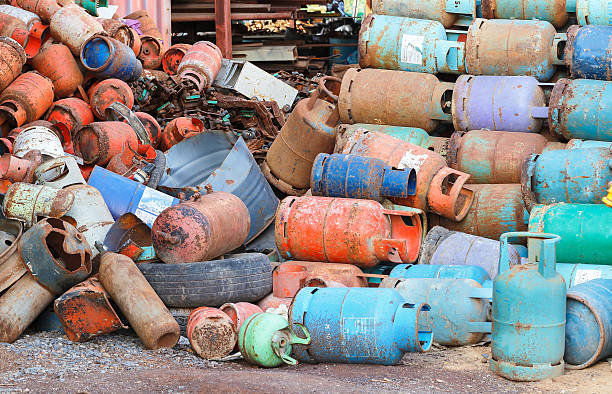
Why Proper Disposal of Gas Canisters Matters
Correct gas canister disposal is a foundational responsibility for any commercial kitchen or bar operation using N₂O. The risks involved go well beyond inconvenience.
The Danger of Pressurised Canisters in General Waste
Even a used N₂O canister can retain residual pressure. Placing pressurised gas cylinders in general waste creates a serious explosion risk when compacted by refuse trucks.
Waste management workers face significant injury risk when gas canisters are disposed of incorrectly. This applies equally to the disposal of gas bottles across all formats.
The disposal of gas canisters through standard waste streams is unsafe and explicitly prohibited under South African waste management legislation.
Environmental and Legal Obligations for Businesses
Under South Africa’s National Environmental Management: Waste Act (Act 59 of 2008), businesses are required to manage gas waste disposal in a manner that does not endanger health or the environment.
Commercial operators bear direct responsibility for the disposal of gas cylinders as the generators of that waste, and this obligation does not transfer to a general waste contractor unless they are specifically licenced for pressurised container collection.
Failing to comply can result in fines, restrictions, or legal liability.
What Makes N₂O Canisters Different from Other Gas Cylinders
Not all gas cylinders are handled or disposed of in the same way. Understanding what distinguishes N₂O canisters from the different types of gas cylinders used in commercial settings is important context before reviewing the correct disposal process.
Small Format vs Large Format N₂O Canisters
Small-format N₂O canisters, commonly 8g cream chargers, are single-use steel cartridges. Larger commercial cylinders, typically 670g or above, are designed for higher-volume output in professional kitchen and bar environments.
Both formats carry the same disposal obligations, but the volume of empty gas canister disposal material generated differs considerably.
High-turnover kitchens using small chargers can accumulate substantial quantities over a short operating period, making planned gas canister disposal part of routine operations.
Are Empty N₂O Canisters Completely Safe to Handle?
An empty N₂O canister is not necessarily fully depressurised, as residual gas may remain even after the canister appears discharged.
Correct empty gas bottle disposal begins with confirming the canister is fully depressurised before collection or storage, and staff should never attempt to release pressure manually or alter the canister.
Why You Should Never Puncture or Crush an N₂O Canister
Puncturing or crushing any pressurised gas canister is extremely dangerous. Residual pressure can cause the canister to rupture, creating a serious projectile hazard.
This applies across all gas can disposal situations: old gas bottle disposal, empty gas can disposal, butane gas cartridge disposal, the disposal of butane gas canisters, gas cooker disposal, and the disposal of camping gas canisters in catering environments.
Physically altering any canister before disposal also compromises its recyclability and complicates the broader gas waste disposal process.
Can N₂O Canisters Be Recycled?
Most N₂O canisters are made from steel, one of the most recyclable materials in global use. Recycling gas canisters, however, is not as straightforward as placing them in a standard recycling bin.
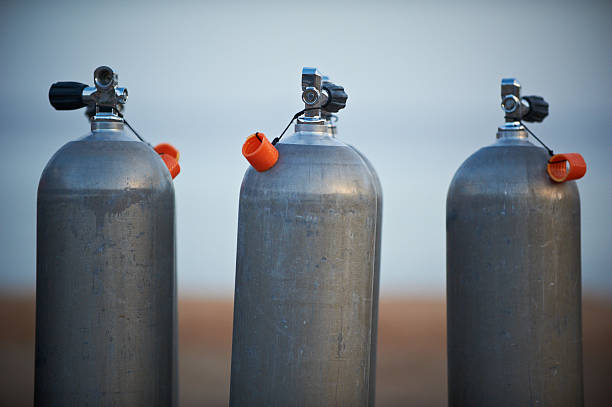
Steel Canister Recycling: What Is Possible
N₂O canisters are made from food-grade steel, which is recyclable in principle. Once confirmed as fully depressurised and undamaged, a canister can enter the steel recycling stream.
The distinction between what is theoretically recyclable and what is practically accepted at local facilities matters for old gas disposal.
Not every facility in South Africa can process gas canisters, so engaging a partner experienced in gas cartridge disposal ensures canisters reach an appropriate facility rather than landfill.
Recycling Infrastructure for Gas Canisters in South Africa
South Africa’s steel recycling infrastructure is well developed, with sector support from organisations such as the Steel and Engineering Industries Federation of Southern Africa (SEIFSA) and the South African Metal Recyclers Association (SAMRA).
Facilities handling old gas bottle disposal or the disposal of old gas cylinders may have additional acceptance criteria related to residual pressure and canister integrity.
Confirm these requirements with your waste contractor before routing canisters to a recycling facility.
What Happens to Canisters That Cannot Be Recycled
Canisters that are damaged, corroded, or not accepted by local recycling infrastructure can be directed to a licenced waste disposal facility, which is a compliant outcome provided they travel through an authorised waste management channel.
Any gas disposal container or empty gas can disposal situation that falls outside the steel recycling stream should be referred to a licenced hazardous or specialist waste collector.
How to Dispose of N₂O Canisters Correctly
Whether you are managing disposal from a restaurant kitchen, a hotel banqueting operation, or a catering business using a cream charger dispenser, the process follows the same core steps.
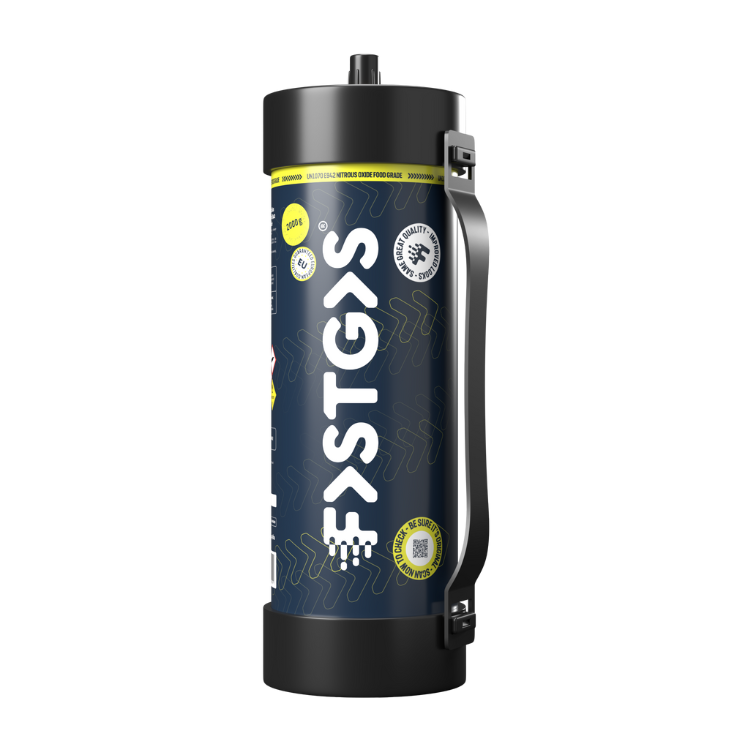
Step-by-Step: From Used Canister to Safe Disposal
Follow these steps for correct N₂O canister disposal:
- Confirm full discharge. Use the canister until no gas remains.
- Do not alter the canister. Never puncture, crush, or modify it in any way.
- Store safely. Keep empty canisters in a ventilated, cool area, away from heat sources.
- Segregate from general waste. Never place canisters in standard refuse or recycling bins.
- Arrange collection or drop-off. Use a licenced waste contractor or verified drop-off point.
- Document disposal. Maintain records for compliance purposes.
This process applies to all N₂O canister sizes, including larger gas tank disposal situations.
Using Licensed Waste Collection Services
For HORECA operators generating consistent canister volumes, contracting a licenced waste collection service is the most practical approach to compliant gas cylinder disposal.
A licenced collector will transport canisters in accordance with South African hazardous goods transport regulations and route them to an approved facility.
Ask any prospective contractor for their Department of Forestry, Fisheries and the Environment (DFFE) waste management licence before appointing them for the disposal of gas canisters.
Drop-Off Points and Collection Options in South Africa
Operators searching for old gas disposal near me or gas tank disposal near me options will find that some municipal recycling facilities and scrap metal dealers in South Africa accept fully depressurised steel canisters.
Free gas cylinder disposal may be available through municipal hazardous waste collection events run in major cities such as Johannesburg, Cape Town, and Durban. Contact your local municipality for scheduled dates and accepted materials.
Compliance and Documentation for HORECA Businesses
Compliance in gas waste disposal covers both how canisters are disposed of and how the process is documented.
Waste Disposal Regulations for Commercial Kitchen Operators
South Africa’s National Environmental Management: Waste Act classifies pressurised gas containers under controlled waste streams.
Commercial kitchen operators are legally obligated to ensure the disposal of gas cylinders occurs through an authorised channel, regardless of operational size.
The National Waste Management Strategy sets out producer responsibility obligations, waste minimisation requirements, and authorised waste handling standards.
Using informal or unlicenced collectors for the disposal of gas canisters does not satisfy compliance requirements and may expose a business to regulatory liability.
Record-Keeping and Compliance Documentation
HORECA operators should maintain a basic waste disposal log covering:
- Date of disposal
- Canister type and quantity
- Disposal method used
- Name and licence number of the waste contractor
This documentation supports compliance during environmental audits and workplace health and safety inspections, and assists internal sustainability reporting where applicable.
Disposal Standards in Nigeria and Ghana
In Nigeria, commercial waste disposal obligations fall under the National Environmental Standards and Regulations Enforcement Agency (NESREA), and gas canister disposal should be conducted through NESREA-registered service providers.
In Ghana, the Environmental Protection Agency (EPA Ghana) governs the disposal of gas canisters for commercial entities, and operators should engage EPA-registered contractors for compliant disposal.
Both markets are developing their enforcement capacity, and operators who establish documented, compliant disposal practices now are better positioned as regulatory frameworks mature.
Reducing Waste at the Source: Choosing the Right N₂O Format
The most effective approach to gas canister disposal is reducing canister volume at the source. Format selection plays a direct role in this.
Fewer Canisters, Less Waste: The Case for Larger Format Cylinders
A kitchen using 8g single-use chargers may generate hundreds of empty canisters per month, each requiring individual gas cartridge disposal. A larger-format cylinder delivering equivalent output produces a fraction of that waste volume.
Switching to higher-capacity formats significantly reduces the operational burden of empty gas canister disposal and lowers the frequency of waste contractor engagement.
FastGas Africa offers larger-format N₂O cylinders that reduce per-use canister waste for commercial operators, making ongoing gas waste disposal more manageable at scale.
What to Look for in a Responsible N₂O Supplier
A responsible supplier provides food-grade certified N₂O, clear product documentation, and guidance on the correct disposal of gas canisters and empty cylinders.
Look for suppliers who can confirm compliance with applicable South African food safety standards and who are transparent about end-of-life handling for their packaging.
Frequently Asked Questions
Can I put empty N₂O canisters in my recycling bin?
No. Standard recycling bins are not appropriate for gas canister disposal, even when a canister appears empty, as most kerbside programmes do not accept pressurised containers and doing so creates a handling risk for collection workers.
Route fully depressurised canisters to a verified steel recycler or licenced waste collector.
Are N₂O canisters classified as hazardous waste?
N2O is classified as an oxidiser under the Globally Harmonized System of Classification and Labelling of Chemicals (GHS), carrying a Danger signal word and hazard statement H270, meaning it may cause or intensify fire. Used pressurised containers must therefore be kept away from flammable materials at all times, and their disposal must go through appropriate channels under South African waste legislation.
Empty, depressurised canisters may not always be formally classified as hazardous waste, but they must still never enter general waste streams.
How should a restaurant or hotel handle bulk N₂O canister disposal?
High-volume operators should contract a licenced waste management service, maintain a dedicated storage area for empty canisters, and keep disposal records. Shifting to larger-format cylinders reduces empty gas bottle disposal frequency considerably.


