
Can You Make Whipped Cream With Milk?
FastGas Blogs

Managing ingredient costs and limited stock availability are daily operational pressures for food and beverage businesses across South Africa.
Knowing how to make whipped cream with milk gives kitchen teams a practical fallback when heavy cream is unavailable or outside budget. This article is a straightforward operational reference for getting consistent whipped results without compromising on service.
Whether you are working with a stand mixer or nitrous oxide cream chargers, the fat content of your dairy base determines the quality of your finished product.
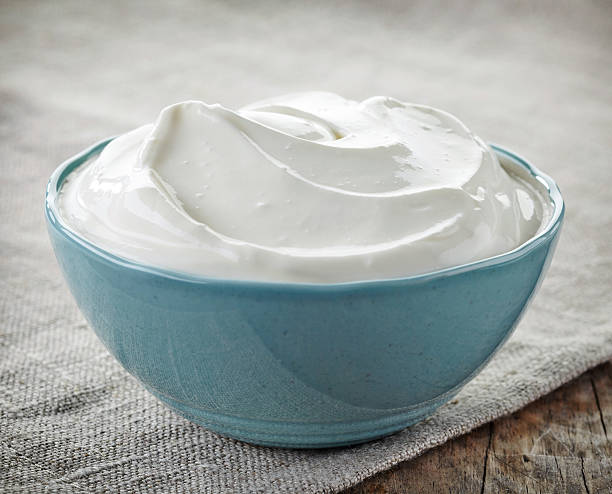
The Short Answer: Yes, But Not Like You’d Expect
Milk can produce a whipped dairy topping, but it behaves very differently from traditional whipping cream. The core issue is fat content: cream whips because its fat molecules trap air and hold structure under agitation.
With the right technique and stabilisers, a workable whipped topping is achievable from milk. It will not match the yield, stability, or mouthfeel of a cream-based whip, but it serves a purpose in specific kitchen applications.
For operators working at volume, knowing these limitations upfront prevents costly preparation errors and service failures during peak service periods.
How to Make Whipped Cream With Milk: The Gelatin Method
The gelatin method is the most reliable approach when working without heavy cream, as it adds the structure that milk’s low-fat content cannot provide alone.
If you are unfamiliar with the difference between whipping cream and its finished form, reviewing what whipped cream is will give useful context before applying this method.
What You Need
To make easy whipped cream with milk using the gelatin method, gather the following:
- 240 ml full-cream milk, well chilled
- 1 teaspoon unflavoured gelatin
- 2 tablespoons icing sugar or granulated sugar
- 1 teaspoon vanilla extract (optional)
Chilling the bowl and beaters in advance is a basic requirement for any whipping process involving lower-fat dairy.
Step-by-Step Instructions
- Sprinkle the gelatin over 2 tablespoons of cold milk and allow it to bloom for five minutes.
- Gently warm the mixture until the gelatin is fully dissolved, then allow it to cool to room temperature.
- Combine the remaining chilled milk with the sugar in a cold bowl and beat on high speed until soft peaks form.
- Slowly stream in the cooled gelatin and continue beating until stiff peaks hold.
When making whipped cream with milk and sugar, icing sugar incorporates more smoothly than granulated sugar in cold applications.
Some kitchens also fold in a small amount of softened unsalted butter at the final stage to partially compensate for the low fat content, which is the same principle behind how to make whipped cream with milk and butter.
What to Expect: Texture, Taste, and Limitations
The result is a lighter, less stable topping than cream-based preparations. It performs adequately for immediate service but softens quickly, particularly in warm kitchen environments.
Flavour will be milder and volume yield noticeably lower than what heavy cream delivers.
What About Half-and-Half or Full-Fat Milk?
Not all milk products perform equally in whipping applications, and sourcing decisions should be based on a clear understanding of what each dairy type can realistically deliver.
A useful reference before making any substitution is to review the available types of cream alongside the milk alternatives being considered for your kitchen.
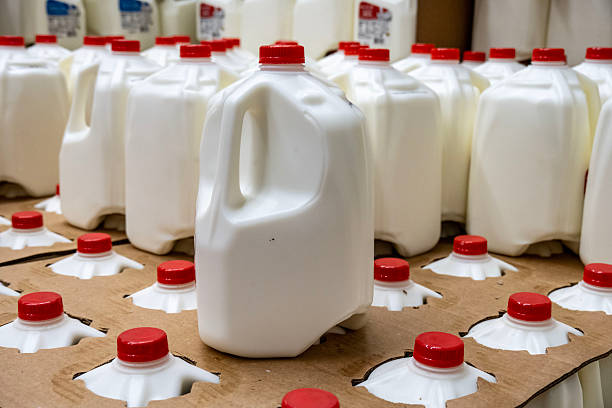
Does Higher Fat Milk Give Better Results?
Yes, consistently. Higher fat content means more fat molecules available to trap air and build structure, and full-cream milk performs noticeably better than low-fat or skimmed alternatives in every whipping application.
Half-and-half produces a better result than milk alone but still falls short of heavy cream without a stabiliser.
Dairy product labelling varies across South Africa, Nigeria, and Ghana, so operators should verify the exact fat percentage listed on packaging rather than relying on product names alone, as descriptors like “full cream” and “double cream” do not always indicate the same fat content across different brands or suppliers.
The Minimum Fat Percentage You Need to Whip Cream Successfully
Standard whipping cream contains between 30 and 36 percent fat, while full-cream milk in South Africa typically sits at around 3.5 percent. That gap is too large to bridge without a stabiliser, regardless of whipping technique.
For a milk-based whip to hold any form of peak, gelatin is a necessary part of the formulation, not an optional addition.
Where You Can Use It and Where You Cannot
Milk-based whipped preparations have a practical role in certain kitchen applications but are genuinely unsuitable for others. Understanding that boundary prevents service-level issues before they occur.
Works Well: Mousses, Cheesecakes, and Baked Fillings
Milk-based whipped cream works acceptably in set desserts such as mousse-style preparations, cheesecake fillings, and baked custard preparations, particularly when gelatin forms part of the recipe. Note that a true mousse base requires real cream for the correct fat structure and mouthfeel, so a milk-based gelatin preparation should be treated as a simplified substitute rather than a direct equivalent.
These applications do not require preparation to hold visual structure at room temperature or across a service period.
Does Not Work: Piping, Frosting, and Dispensers
Milk-based whipped preparations are not suitable for piping decorative borders, frosting cakes, or finishing plated desserts where structure must hold across a service period.
They also cannot be used in N₂O cream dispensers, as the mechanism requires sufficient fat content in the liquid to create emulsification under gas pressure.
Shelf Life: How Long Does Milk-Based Whipped Cream Last in a Warm Climate?
In South African kitchen conditions, treat a milk-based whipped preparation as the same-service product only.
It will begin losing structure within one to two hours at room temperature, and quality degrades significantly within 24 hours even under refrigeration, making large-batch advance preparation impractical.
The Role of Cream Chargers: Why Heavy Cream Still Wins
For commercial kitchens requiring consistent, high-volume whipped cream output, a quality cream charger remains the most efficient and reliable production tool. Understanding how it works makes clear why milk cannot replicate these results.
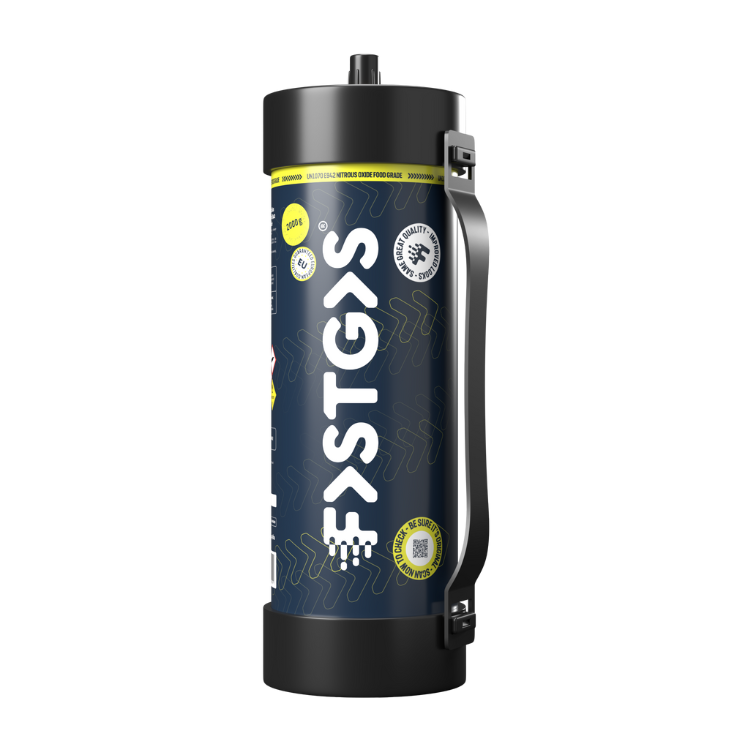
How N₂O Cream Chargers Work
N₂O cream chargers dissolve nitrous oxide into liquid cream under pressure inside a sealed dispenser. When the valve opens, the expanding gas aerates the cream into a stable, light foam.
This process depends entirely on the fat content of the cream to form and hold a stable emulsion.
Why Milk Cannot Be Used in a Cream Dispenser
Loading a dispenser with milk rather than cream produces a liquid result with no usable whipped structure. Without sufficient fat molecules to trap the expanding gas, no stable foam can form upon release, regardless of equipment quality.
What Cream Chargers Deliver That No Milk Substitute Can
A properly charged dispenser with heavy cream delivers consistent texture, significantly higher yield than any milk-based preparation, food-safe results, and immediately service-ready output that no milk-based alternative can replicate.
For operators where yield consistency matters at scale, using FastGas Africa chargers in the correct size and fill specification helps maximise cream output and reduce gas waste during high-volume service.
Tips for Better Results When Working Without Heavy Cream
When heavy cream is unavailable, a few practical adjustments can significantly improve the performance of lower-fat dairy alternatives in commercial whipping applications.
Keep Everything Cold, Especially in South African Kitchens
Temperature management is the single most important variable in any whipping application. In South African commercial kitchens, where ambient temperatures are frequently elevated, chilling the bowl, beaters, and milk before whipping is a necessity, not a preference.
Begin with milk refrigerated overnight rather than chilled only briefly before use.
Using Stabilisers: Gelatin, Cornstarch, and Icing Sugar
Gelatin is the most effective and widely available stabiliser for milk-based whipped preparations in South African commercial kitchens. Cornstarch dissolved in a small amount of cold milk can also improve the body, though it tends to produce a denser texture.
When making whipped cream with milk and granulated sugar, icing sugar dissolves more efficiently in cold preparations and produces a smoother, more stable result.
How to Fix Over-Whipped or Under-Whipped Cream
If a milk-based whip becomes overworked and begins to separate, gently fold in a teaspoon of cold milk to attempt recovery, though results are less reliable than with cream.
Under-whipped preparations simply need more beating time, keeping the bowl cold throughout. For shelf life benchmarks and storage guidance relevant to commercial kitchens, the whipped cream storage guide is a useful reference.
Frequently Asked Questions
Can you whip milk without gelatin?
Without gelatin or another structural stabiliser, milk will not hold any peak and will collapse within minutes of preparation. For any commercial application where the product must hold through service, gelatin is essential.
What is the best substitute for heavy cream in South Africa?
Full-cream long-life cream or fresh whipping cream from a reputable South African dairy supplier remains the most functional substitute.
Where cream is genuinely unavailable, full-fat evaporated milk chilled overnight can be whipped briefly, though with measurable limitations in both stability and yield.
Why isn’t my whipped cream thickening?
The most common causes are insufficient fat content in the dairy base, a preparation temperature that is too warm, or overworking the mixture before peaks form.
For milk-based preparations, ensure the gelatin is fully dissolved and incorporated, and that the mixture is properly chilled before and during whipping.
Can you use a cream charger with milk instead of heavy cream?
No. Cream chargers require a dairy base with a minimum fat content of approximately 30 percent to create stable aerated foam.
Milk does not meet this threshold, and the result will be an unstructured liquid regardless of the charger quality or dispenser type.


