
Cooking Gas Cylinders: Sizes, Types & Prices
FastGas Blogs

Cooking gas is one of the most reliable energy sources for food and beverage businesses across Africa. From everyday burner operations to specialised applications such as nitrous oxide for professional culinary techniques, commercial kitchens depend on the right gas for the right task. This article is a practical operational reference for restaurant owners, hotel managers, and HORECA operators in Nigeria making sourcing and procurement decisions around cooking gas cylinders.
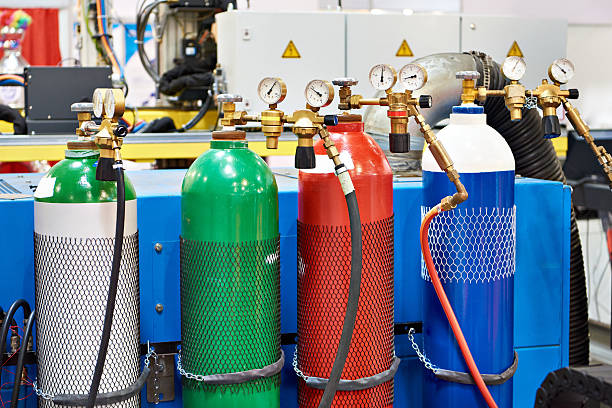
What Is Cooking Gas and How Is It Used Commercially?
In commercial settings, cooking gas refers primarily to liquefied petroleum gas (LPG), stored under pressure in a cylinder and released as a burnable fuel through a regulator and burner system. It is the dominant cooking fuel across Nigeria’s food service sector.
LPG as a Reliable Energy Source for Food Businesses
LPG is a blend of propane and butane compressed into liquid form within a cylinder cooking gas vessel.
Connected to a cooking gas stove with a cylinder via a certified pressure regulator, it delivers consistent, controllable heat across a wide range of cooking applications.
It burns cleanly under normal operating conditions and allows precise flame adjustment, which directly affects both food quality and energy efficiency.
Why Restaurants, Hotels, and Caterers Choose Gas Over Electricity
Gas delivers a faster heat response than most electric alternatives, which is critical during peak service periods.
It also operates independently of the electricity grid, a practical advantage in Nigeria where consistent power supply remains a challenge for many commercial premises.
For most HORECA operators, a cooking gas cylinder connected to a multi-burner range remains the most dependable primary heat source available.
Types of Cooking Gas Cylinders
The types of gas cylinders for cooking in the Nigerian market differ primarily in construction material and gas composition. Understanding these distinctions helps operators choose the right format for their environment and compliance requirements.
Steel Cylinders
Steel cylinders are the most widely available cooking gas cylinder type across Nigeria, durable and accepted at all major gas distributors and refill points.
They must carry Standards Organisation of Nigeria (SON) certification marks, and the cooking gas cylinder expiry date stamped onto the collar should be reviewed before each refill cycle.
The absence of a visual gas level indicator means usage must be tracked manually or by weight.
Composite (Fibre) Cylinders
Composite cylinders are manufactured from fibreglass or carbon fibre wound over an inner liner, making them considerably lighter than steel equivalents at the same capacity.
A transparent cooking gas cylinder in composite format lets operators check remaining gas levels at a glance, reducing the risk of unexpected service interruptions.
These cylinders carry a higher purchase price but offer genuine operational benefits for high-turnover commercial environments.
Propane vs Butane: What Commercial Kitchens Need to Know
Propane and butane are both used in cylinder cooking gas applications but differ in performance under varying conditions. In cooler climates, propane is the standard choice for outdoor catering setups and BBQ applications because its lower boiling point means it vaporises reliably even in cold temperatures.
In Nigeria and most of West Africa, where ambient temperatures remain high year-round, commercially available LPG is typically a blend of both gases that performs well across indoor and outdoor applications alike. Operators should confirm the composition with their supplier when specifying equipment for particular applications.
Cooking Gas Cylinder Sizes and What They Are Used For
Cooking gas cylinder sizes are one of the most consequential decisions in commercial kitchen configuration. Understanding the full range of types of gas cylinders helps operators match capacity to actual service demand.
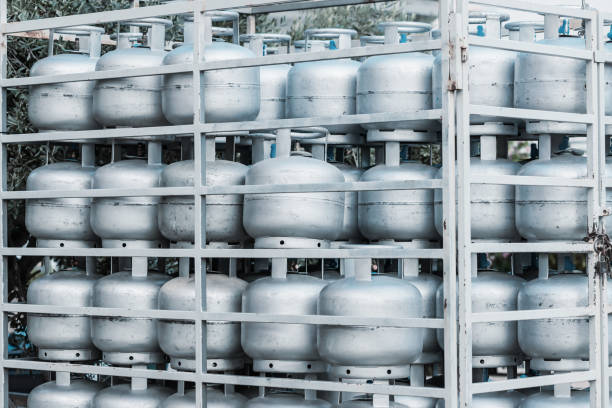
Small Cylinders (3kg-6kg): Portable and Light-Use Applications
Small cylinders in the 3kg to 6kg range suit portable setups, staff meal preparation, outdoor event support, and light supplementary applications.
They work well with portable cooking gas stoves, with cylinder attachments available across the Nigerian market.
How long a gas cylinder lasts for cooking at this scale depends on burner intensity, with a 3kg cylinder under moderate use lasting three to five days but depleting far faster under continuous commercial loads.
Medium Cylinders (12.5kg): The Commercial Sweet Spot
The 12.5kg cylinder is the standard commercial format in Nigeria and the most widely stocked size across retail and wholesale gas distribution channels.
Under moderate commercial use, it typically lasts two to four days, and most two to four-burner restaurant or café configurations find it the most practical daily format.
Operators with higher-output kitchens generally keep two or three cylinders in rotation to ensure uninterrupted service.
Large Cylinders (19kg-50kg): High-Volume Commercial Operations
Large-format cylinders at 19kg and 50kg are designed for hotel kitchens, institutional catering facilities, and multi-burner restaurant operations.
They significantly reduce refill frequency and the logistical overhead of managing multiple smaller units.
Operators at this scale should ensure correct specification for all parts of a cooking gas cylinder, including the valve assembly, pressure regulator, and connecting hose.
Standard Cylinder Sizes Across Nigeria, South Africa, Ghana, Gambia, and Kenya
Cylinder sizing is not fully standardised across African markets, which matters for operators managing multi-market procurement. The standard commercial formats by country are as follows:
- Nigeria: 3kg, 5kg, 12.5kg, 25kg, 50kg
- South Africa: 9kg, 19kg, 48kg
- Kenya: 6kg, 13kg, 35kg
- Ghana: 3kg, 6kg, 14.5kg
- The Gambia: Primarily 12kg (imported)
Cooking Gas Cylinder Prices: What to Expect
Cooking gas cylinder price in Nigeria responds to global LPG commodity prices, local distribution costs, and currency movement. Understanding the cost structure helps operators plan procurement budgets more accurately.
Price Ranges by Cylinder Size in Nigeria
For refills, a 12.5kg cylinder in Nigeria has ranged between approximately ₦11,000 and ₦16,000 in recent trading periods, while a 50kg refill has typically fallen between ₦44,000 and ₦65,000.
For first-time buyers asking how much is a cooking gas cylinder in Nigeria, a new 12.5kg steel cylinder with gas typically costs between ₦35,000 and ₦55,000, with composite formats carrying a premium.
The price of a cooking gas cylinder fluctuates with supply conditions and should be confirmed with licensed distributors before procurement.
Factors That Drive Price Fluctuations
The primary drivers of cooking gas cylinder price movement in Nigeria are global LPG commodity prices, the naira-to-dollar exchange rate, port handling costs, and seasonal demand increases in the second half of the year.
The NMDPRA publishes periodic pricing guidance that operators can reference to benchmark distributor quotes.
Refill Cost vs Buying a New Cylinder
Refilling a certified, owned cylinder is consistently more cost-effective than purchasing a replacement. The cylinder vessel accounts for the majority of a new purchase price, while a refill charge covers gas volume only.
Operators who maintain their cylinders correctly and monitor the cooking gas cylinder expiry date benefit from lower ongoing input costs over time.
Choosing the Right Cylinder Size for Your Business
Selecting the right cooking gas cylinder format requires an honest assessment of service volume, available storage space, and restocking practicalities specific to your operation.
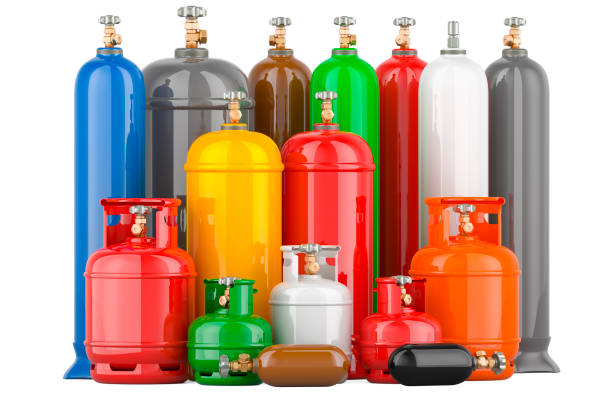
Matching Cylinder Size to Service Volume
Small restaurants and cafés will manage well with two 12.5kg cylinders in rotation. Hotel kitchens and large catering operations should move to 25kg or 50kg formats to reduce refill frequency.
Operators should track actual gas consumption over two weeks before finalising a cylinder size, as estimates frequently understate real kitchen throughput.
Storage, Ventilation, and Safety Compliance for Commercial Premises
Cylinders must be stored upright in well-ventilated external or semi-external areas, away from heat sources and ignition points, in line with NMDPRA clearance and ventilation standards.
The risk of cooking gas cylinder explosion is materially reduced through correct storage, routine inspection of cooking gas cylinder accessories including hoses, regulators, and clip fittings, and certified cooking cylinder gas connections throughout the installation.
Sourcing and Restocking Considerations for African Markets
Commercial operators in Nigeria are advised to establish accounts with licensed LPG distributors, which offer more consistent pricing, documented refill records, and access to larger cylinder formats.
Operators managing supply across South Africa, Ghana, Kenya, or The Gambia should engage licensed local distributors in each market, as cross-border cylinder transport is subject to regulatory restrictions.
Other Gas Cylinders Used in Food and Beverage Businesses
LPG is the primary cooking fuel, but professional kitchens and bars rely on other specialised gases that require separate cylinder formats, handling procedures, and supply chains.
CO₂ for Beverage Dispensing and Cold Storage
CO₂ cylinders are standard in bar and food service environments, used for draught beer dispensing, carbonated soft drink systems, and cold room management.
They differ from LPG cylinders in valve configuration, pressure rating, and certification requirements.
CO₂ should be sourced from beverage-grade suppliers and stored separately from cooking gas cylinders in a dedicated, ventilated space.
Nitrous Oxide: Used in Professional Kitchens for Whipped Cream and Culinary Techniques
Food-grade nitrous oxide (N₂O) is used in professional kitchens for whipped cream production and culinary applications including foams, rapid infusions, and emulsions.
It is dispensed through a cream charger or larger cylinder format into compatible culinary dispensing equipment.
FastGas Africa supplies food-grade N₂O cylinders to professional kitchens and bars across the region, and food-grade certification is a non-negotiable requirement for any culinary N₂O application.
Gas Cylinder Safety and Regulatory Standards
Safe cylinder handling is both a legal obligation and a direct operational risk management measure for every commercial food business in Nigeria and across Africa.
Safe Handling, Storage, and Leak Detection
Understanding the parts of a cooking gas cylinder, including the valve, collar, foot ring, and safety relief valve, helps operators identify damage before it becomes a hazard.
All cooking gas cylinder accessories, including regulators, hoses, and connectors, should be inspected regularly for cracking, corrosion, or loose fittings.
A soapy water solution applied to valve connections is an effective leak detection method, with visible bubbling indicating a gas escape that requires immediate attention.
Regulatory Bodies: SON, NMDPRA, SABS, KEBS, and Regional Standards
In Nigeria, SON governs cylinder manufacturing and testing standards while the NMDPRA oversees gas distribution, retail licensing, and pricing.
South Africa’s LPG sector falls under the South African Bureau of Standards (SABS), and Kenya’s cylinder standards are administered by the Kenya Bureau of Standards (KEBS).
Operators in each market should confirm that cylinders carry the applicable certification marks and remain within the hydrostatic test validity period stamped on the cylinder body.
Frequently Asked Questions
What size cooking gas cylinder is best for a commercial kitchen?
For most small to mid-sized commercial kitchens in Nigeria, a 12.5kg cylinder in rotation is the practical standard.
High-volume operations such as hotel kitchens should use 25kg or 50kg formats. The right size depends on daily consumption rate, available storage, and proximity to refill points.
How often does a restaurant need to refill its gas cylinder?
A busy kitchen running four or more burners continuously may exhaust a 12.5kg cylinder in two to three days. Operations on 50kg cylinders typically refill once per week.
Tracking consumption over two weeks gives operators a reliable restocking baseline.
Is it cheaper to refill or replace a gas cylinder?
Refilling an owned, certified cylinder is always more cost-effective than purchasing a replacement.
The cylinder vessel represents the majority of a new purchase price, while a refill covers gas volume only. Correct maintenance and monitoring of the certification period reduce long-term procurement costs.
What other gases do professional kitchens and bars use besides LPG?
Beyond LPG, professional kitchens use CO₂ for beverage dispensing and cold storage, and food-grade nitrous oxide for whipped cream and culinary applications including foams and infusions.
These gases operate under different specifications from a standard cooking gas cylinder, and each requires its own certified cylinder type and supply chain. Source each gas from a licensed specialist supplier appropriate to the application.


