
How to Make Carbonated Water in Your Business
FastGas Blogs

Making carbonated water in-house is a practical, cost-effective alternative to buying sparkling water regularly, and understanding the uses of carbon dioxide across food and beverage settings makes this a straightforward process for restaurants, bars, hotels, and catering operations across Africa.
This article covers the equipment required, how the carbonation process works, and how to produce consistent results, including gas cylinder disposal as part of responsible operational practice.
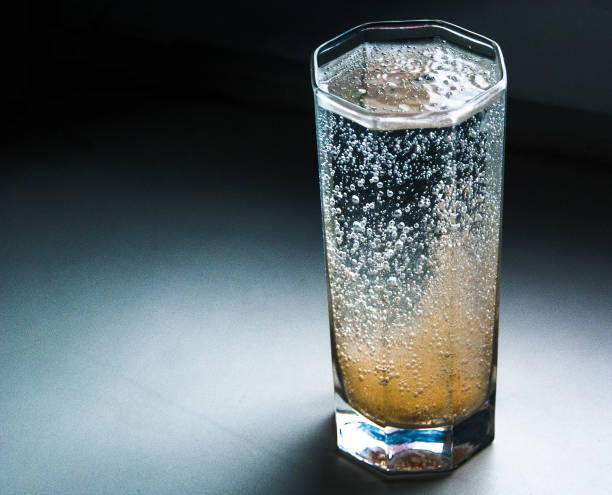
How Does Carbonation Actually Work?
Understanding the science behind carbonation helps you achieve more consistent results, regardless of the equipment or method you choose.
CO₂, Pressure, and Bubbles: The Basic Science
Carbonation occurs when carbon dioxide dissolves into water under pressure, with CO₂ molecules remaining in solution until that pressure is released, producing the fizz and bubbles that define sparkling water.
The process works the same way across all CO₂-based methods, whether you are using a commercial carbonation machine, a soda siphon, or a simple charger setup.
The key variables are the amount of gas introduced, the level of pressure applied, and the temperature of the water at the point of carbonation.
Why Temperature Affects Carbonation
Cold water absorbs CO₂ considerably more efficiently than warm water, which is why chilling your water thoroughly before carbonating consistently produces better results with more stable, longer-lasting bubbles.
In warmer conditions, dissolved CO₂ escapes from the liquid more readily, reducing the carbonation level achieved per charge and increasing the amount of gas needed to reach the same result.
Starting with properly chilled water is one of the simplest and most effective adjustments you can make to your carbonation process.
Methods for Making Carbonated Water in Your Business
Several practical methods are available for carbonating water without a dedicated machine, and the right choice depends on your output volume, budget, and access to appropriate equipment.
Using a Soda Maker or Sparkling Water Machine
A dedicated sparkling water machine connects directly to a CO₂ cylinder and delivers a precise, pressurised gas stream into a sealed water container, making it well-suited to high-volume environments where output consistency is a priority.
The upfront cost is higher than other approaches, but the per-litre production cost falls significantly once the equipment is in regular use.
For restaurants and catering operations with consistent sparkling water demand, this is typically the most efficient and reliable long-term setup.
Using a Seltzer Bottle or Soda Siphon
A soda siphon uses small CO₂ chargers to pressurise water inside a sealed, pressure-rated container; the process involves filling the siphon with cold water, attaching a charger, and inverting the siphon once or swirling gently to encourage even gas dissolution.
This method suits low-to-medium volume settings, including small cafes, bar operations, and catering businesses that need occasional sparkling water without the cost of a full carbonation machine.
CO2 cylinders in siphon-compatible sizes are widely available and straightforward to source across South Africa.
The DIY Method: Baking Soda and Vinegar
The baking soda and vinegar method generates CO₂ through a basic acid-base chemical reaction and is one way of understanding how to make carbonated water without a machine or any specialist gas equipment.
Results are inconsistent and very difficult to control, and the gas output cannot be reliably measured or repeated, making this method unsuitable for commercial or professional use.
Using Yeast or Dry Ice
Yeast-based carbonation relies on CO₂ produced during fermentation, a process far better suited to home brewing than to practical water carbonation.
Dry ice can carbonate water by sublimating inside a sealed container, but this requires careful handling and appropriate safety measures and is not practical for regular food service use.
Neither approach offers the control, consistency, or safety profile required for professional kitchens or hospitality environments.
Comparing Carbonation Methods: Which Is Best for You?
Not all carbonation methods produce the same quality of fizz, and the best choice for your operation depends on your setting, volume requirements, and access to reliable supplies.
Cost, Convenience, and Quality of Fizz
A soda siphon offers a low entry cost, reliable fizz quality, and genuine flexibility, making it a strong starting point for most small to medium operations, while dedicated machines cost more upfront but deliver superior consistency at high volumes.
For anyone wanting to understand how to make flavoured carbonated water, the soda siphon method gives the most control, as fruit slices, herbs, or flavour concentrates can be added to the water before charging to produce a fully customised result.
Availability of Equipment and Gas Canisters in South Africa
South Africa has a well-established supply network for CO₂ chargers and carbonation equipment, with kitchen suppliers, specialist gas suppliers, and online retailers all stocking relevant products in major urban centres including Johannesburg, Cape Town, and Durban.
In Nigeria and Ghana, the market for CO₂ chargers and carbonation equipment is growing, though availability remains more limited than in South Africa, and lead times for specialist items may be longer for buyers in those markets.
Gas Canisters and Carbonation: CO₂, N₂O, and the Difference That Matters
Not all gas canisters serve the same purpose, and using the wrong gas type will not produce the carbonation result you are expecting. Understanding the difference between CO₂ and N₂O before sourcing any equipment is essential to avoid costly errors.
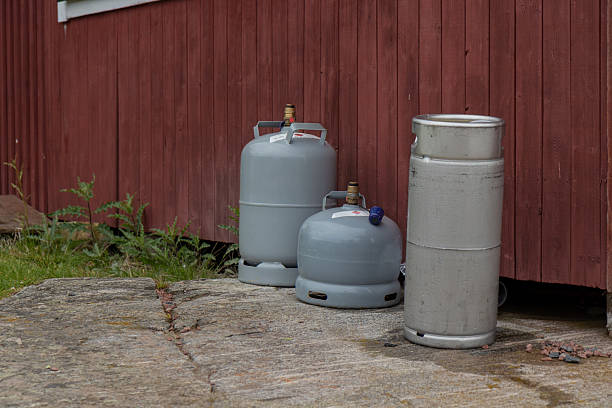
Why CO₂ Is Used for Carbonating Water
CO₂ dissolves readily into water under pressure and produces the sharp, refreshing bubbles associated with sparkling water, making it the correct and only appropriate gas for water carbonation across home and commercial settings.
Applying CO₂ at the right pressure and water temperature gives you reliable, repeatable control over carbonation levels, from a light sparkle to a strong, persistent fizz.
The solubility of CO₂ in water under pressure is the property that makes it uniquely suited to this application, with no practical substitute available at a comparable cost or scale.
What Is N₂O and What Is It Actually Used For?
N₂O, or nitrous oxide, is a chemically distinct compound from CO₂ and will not produce sparkling water, as it does not dissolve into water under pressure in the same way.
N₂O is used in food and beverage applications for whipping cream, producing culinary foams and emulsions, and creating the smooth, creamy texture associated with nitro coffee and nitro cocktails.
Confusing N₂O with CO₂ when sourcing gas canisters is a common and easily avoidable error for anyone new to commercial food and beverage gas applications.
How Soda Siphons and Whipped Cream Dispensers Share the Same Principle
Both soda siphons and whipped cream dispensers operate on the same underlying principle: gas is forced into a liquid under pressure inside a sealed container, and releasing that pressure creates a specific textural result in the liquid.
The difference lies entirely in the gas used and the outcome it produces. A soda siphon uses CO₂ for water carbonation, while a whipped cream dispenser uses a cream charger loaded with N₂O to produce aerated cream.
Tips for Getting the Best Fizz in Your Business
A few practical adjustments to your carbonation routine will make a meaningful and consistent difference to the quality and reliability of your sparkling water output.
Always Start With Cold Water
Water chilled as close to freezing as practical absorbs CO₂ far more efficiently than water at ambient temperature, producing better carbonation with more stable bubbles and reducing the amount of gas required per litre. For most commercial kitchens, this means refrigerating water overnight before use rather than chilling it briefly before carbonation.
Using food-grade CO₂ chargers from a reliable, certified supplier ensures each charge delivers a consistent gas volume for repeatable, predictable carbonation results.
Storage and Keeping Your Sparkling Water Fizzy
Carbonated water begins to lose its fizz as soon as a container is opened and internal pressure is released, so storing sparkling water in sealed, pressure-rated containers and refrigerating immediately after production is the most effective way to preserve carbonation.
For the freshest result, carbonate in smaller batches and serve directly from the siphon rather than transferring into open or wide-mouth containers where CO₂ dissipates rapidly.
Minimising the time between production and service consistently extends the life of the carbonation.
Carbonating Water in a Warm Climate
South Africa’s warmer seasonal temperatures mean that ambient water temperatures are regularly above the optimal carbonation range for much of the year, making thorough pre-chilling a necessary standard step rather than an optional one.
Working in the coolest available space and keeping CO₂ equipment away from direct heat or sunlight helps to maintain the full effectiveness of each charge and the quality of your carbonation output.
Frequently Asked Questions
Can I carbonate water without a machine?
Yes. A soda siphon paired with CO₂ chargers is the most practical and widely available method for carbonating water without a dedicated machine, with equipment and supplies readily available to commercial operators across South Africa.
How long does sparkling water stay fizzy?
Properly sealed and refrigerated carbonated water typically retains good fizz for 24 to 48 hours. Once the container is opened and internal pressure is released, carbonation dissipates within minutes at room temperature, particularly in warm South African kitchen conditions. For best results, carbonate in smaller batches sized to your immediate service needs, serve directly from the siphon where possible, and reseal any unused portion immediately after dispensing.
Is carbonated water bad for you?
Plain carbonated water without added sugars or artificial flavourings is generally considered safe for regular consumption.
It is mildly acidic, which dental professionals note may affect tooth enamel slightly over time with very frequent consumption, though it remains considerably less damaging to teeth than carbonated soft drinks.
Where can I get CO₂ canisters for carbonation in South Africa?
CO₂ chargers and siphon-compatible cylinders are available from kitchen equipment suppliers, specialist gas suppliers, and online retailers across South Africa’s major cities.
Responsible gas cylinder disposal is an important part of sourcing CO₂ equipment; always confirm the correct return or disposal procedure with your supplier to remain compliant with local waste management regulations.


