
670g vs 2000g Cream Charger: Find the Best Size for Your African Business
FastGas Blogs

Choosing between a 670g and a 2000g cream charger is a practical operational decision that directly shapes your output per shift, service continuity, and cost per gram of Nitrous Oxide in Africa. This article gives pastry professionals, bakery owners, bar managers, and HORECA buyers across South Africa, Nigeria, Ghana, Gambia, and Kenya a clear reference for making the right choice.
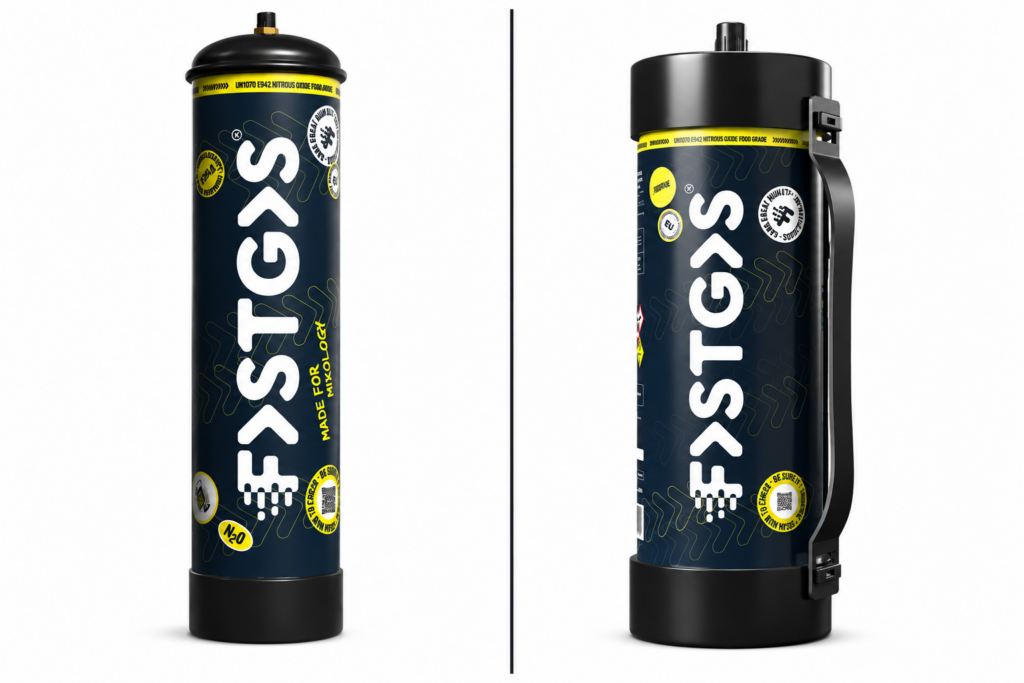
670g vs 2000g at a Glance
Both sizes contain the same food-grade N2O, but differ significantly in capacity, format, and the equipment each requires.
Specifications Comparison Table
| Specification | 670g Cream Charger | 2000g Cream Charger |
| N₂O Content | 670g | 2000g |
| Approx. Dispenser Fills (0.5L) | 130 to 160 | 390 to 480 |
| Pressure Regulator Required | No | Yes |
| Portability | High | Moderate |
| Best Suited For | Small to medium operations | High-volume commercial kitchens |
Capacity: How Much N₂O Does Each Hold?
The 670g cylinder holds 670 grams of food-grade nitrous oxide, while the 2000g cream charger holds three times that volume, meaning significantly fewer cylinder changeovers per service period and better workflow continuity for high-output operations.
Physical Dimensions and Portability
The 670g is compact and lightweight, suited to mobile setups or kitchens with limited storage.
The 2000g cream charger is bulkier and better suited to a fixed dispenser station, though both sizes must be stored away from direct sunlight and heat in Africa’s warmer climates.
How Many Servings Can You Get?
Output volume directly informs your ordering cycle and cost planning, so understanding the practical difference between formats is essential before committing to either.
Servings Per Cylinder: 670g vs 2000g
Based on approximately 4 to 5 grams of N₂O per 0.5-litre dispenser fill, a 670g cylinder yields between 130 and 160 fills, while a 2000g cream charger delivers between 390 and 480 fills under the same operating conditions.
Whipped Cream Output in Litres
A 670g cylinder produces roughly 65 to 80 litres of whipped cream, while a 2000g cream charger produces approximately 195 to 240 litres under comparable conditions.
For a café handling 40 covers per sitting, the 670g covers a full day’s service; for a hotel banquet kitchen serving 200 or more guests, the 2000g format is the more reliable option.
Cost Per Gram of N₂O Breakdown
Larger cylinders consistently deliver a lower cost per gram of N₂O. The 2000g cream charger offers better long-term value for high-volume operations, while the lower upfront cost of the 670g Cream Charger suits operations with variable or seasonal demand.
Who Should Choose the 670g?
The FastGas 670g Cream Charger suits operations that need reliable output at a manageable scale, without requiring regulator equipment or a fixed storage station.
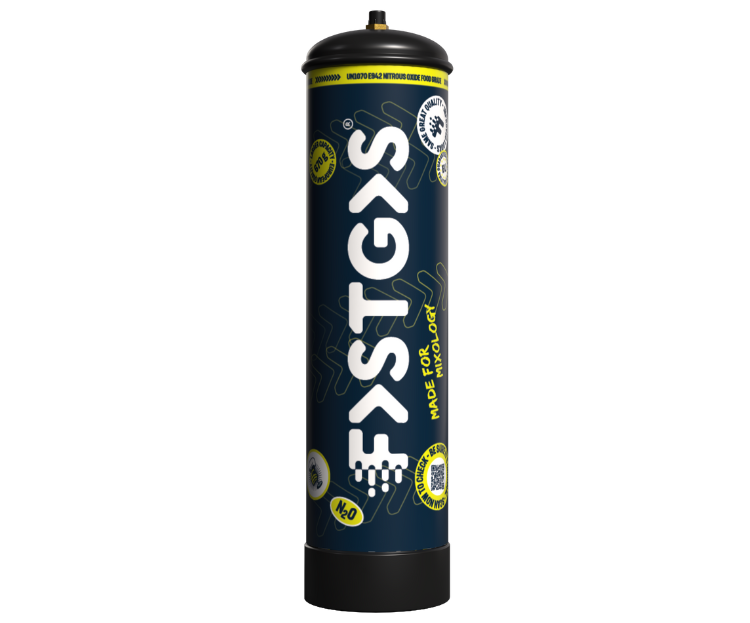
Restaurants, Cafés, and Bars in South Africa, Nigeria, and Ghana
Smaller restaurants, neighbourhood cafés, and bar operations across South Africa, Nigeria, and Ghana typically prepare whipped cream and N₂O-based beverages at moderate volumes.
The 670g Cream Charger fits these environments without requiring specialised fittings or a dedicated cylinder station.
In markets like Lagos and Accra, where kitchen footprints are compact and restocking cycles can be unpredictable, the 670g format offers a practical and flexible option for professional buyers.
Caterers and Event Services
Mobile caterers and event operators who move between venues benefit from the 670g format’s portability and minimal setup requirements.
For pop-up dessert stations and outdoor events common across South Africa’s growing events market, it is the more workable choice.
When Portability and Storage Space Matter
Operations without a fixed dispenser station or dedicated gas storage area are better suited to the 670g format.
It stores in a standard kitchen cupboard and is often the more compliant option where local regulations limit the storage of larger pressurised cylinders.
Who Should Choose the 2000g?
The 2000g Cream Charger is the correct choice for operations where volume, service continuity, and long-term cost efficiency take priority.
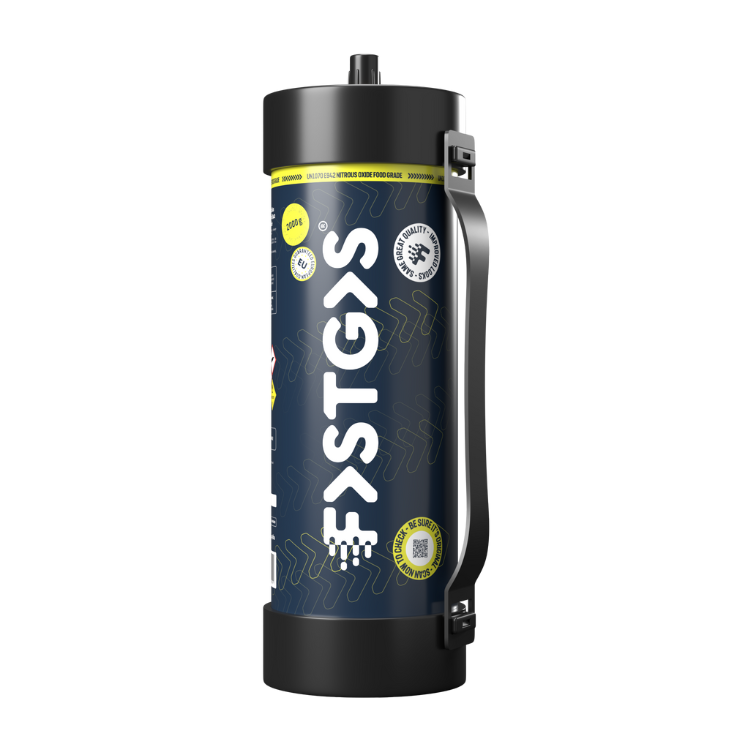
High-Volume Commercial Kitchens and Hotels Across Africa
Hotel kitchens, large restaurant groups, and contract catering operations running continuous service across multiple stations benefit most from the 2000g cream charger.
The higher capacity reduces changeovers and supports consistent output throughout a full-length service.
In Johannesburg and Cape Town, hotel banqueting and conference kitchen operations regularly run at the scale where the 2000g format has become the standard professional choice.
Fewer Interruptions During Peak Service
A cylinder changeover during peak service creates unnecessary downtime. A single 2000g cream charger carries most high-volume operations through an entire service period without replacement, reducing operational risk when it matters most.
Mixologists and Cocktail Bars
Craft cocktail bars and specialty coffee venues using N₂O for nitro applications and whipped infusions consume gas at a consistent rate across a full shift.
The 2000g cream charger supports uninterrupted service without repeated cylinder handling, which is increasingly valued by bar managers in Cape Town, Lagos, and Nairobi.
Equipment and Setup Requirements
The two cylinder sizes are not interchangeable from an equipment standpoint, and understanding what each requires prevents costly setup errors from the outset.
What You Need to Use the 670g
The 670g Cream Charger connects directly to compatible professional dispensers and culinary syphons through a standard valve fitting. In most professional setups, no additional pressure regulation equipment is required.
What You Need to Use the 2000g
The 2000g cream charger requires a pressure regulator and compatible connector fitting, both installed correctly before the cylinder enters service.
Pressure Regulator: Why the 2000g Requires One
The 2000g cream charger operates at a pressure that exceeds the safe input range of most standard cream dispensers.
A pressure regulator steps the output down to a safe and usable level, and represents a once-off investment rather than an ongoing cost.
Dispenser and Syphon Compatibility
Both formats work with professional-grade cream dispensers and culinary syphons when the correct fittings and, where required, a regulator are in place.
Always confirm your dispenser’s pressure ratings before connecting either cylinder to avoid equipment damage or safety risks.
Cost-Effectiveness: Which Works Out Cheaper?
Cost efficiency across both formats depends on gas volume, restocking frequency, and handling over time, not just the upfront purchase price.
Upfront Cost vs Long-Term Value
The 670g Cream Charger carries a lower per-unit purchase price, making it appropriate for operations managing cash flow or working with variable demand.
Over sustained regular use, the 2000g cream charger delivers a lower cost per gram of N₂O and better overall value.
Storage and Handling Efficiency
Fewer cylinders in rotation means fewer deliveries, less stock management, and less handling time per service.
In markets like Nigeria and Ghana, where importation logistics can affect lead times, choosing the larger format reduces the risk of running short between reorders.
Environmental Impact: Fewer Cylinders, Less Waste
A single 2000g cream charger is the gas-volume equivalent of approximately three 670g cylinders, meaning less packaging waste, fewer transport trips per gram of gas, and a lower overall environmental footprint per gram of N₂O consumed.
Gas Purity and Food-Grade Standards
All N₂O used in professional food and beverage applications must meet food-grade certification requirements, regardless of cylinder size.
What Food-Grade N₂O Actually Means
Food-grade N₂O must achieve a minimum purity of 99.5% and be free of contaminants that could affect food safety when the gas contacts consumable products.
This certification applies to the gas itself and must be maintained throughout production, filling, and packaging.
FastGas Certifications: ISO, HACCP, CE, and TUV
FastGas cylinders are certified under ISO quality management standards, HACCP food safety frameworks, CE product safety marking, and TUV pressure equipment certification, all of which apply equally to both the 670g and 2000g formats.
For HORECA operators across the region who are subject to food safety audits, sourcing correctly certified N₂O is part of responsible compliance practice.
Safety Protocols Across Both Cylinder Sizes
All pressurised N₂O cylinders must be stored upright, kept away from heat sources and direct sunlight, and handled only by trained personnel.
In Africa’s warmer regions, shaded or temperature-controlled storage is especially important for maintaining cylinder integrity and consistent gas pressure.
How to Match Your Cylinder to Your Operation in Africa
The decision comes down to how much gas your operation consumes per shift and how reliably you can restock.
Browse the full range of nitrous oxide products to compare both formats and their required accessories.
Volume-to-Shift Ratio: A Practical Decision Framework
If your operation regularly uses more than one 670g cylinder per service, the efficiency and cost advantages of the 2000g cream charger are clearly justified.
For moderate and variable daily output, the 670g offers flexibility without the commitment of a larger format.
Low-volume service: when the 670g makes more sense
- Daily output of up to 60 to 80 dispenser fills
- Operations with seasonal or inconsistent demand
- Venues without a fixed N₂O station or dedicated gas storage
High-volume service: when the 2000g pays for itself
- Daily output of 100 or more dispenser fills
- Continuous service across multiple kitchen or bar stations
- Banqueting, contract catering, or large à la carte operations
Running Both Sizes in One Operation
Some operations benefit from running both formats simultaneously.
A central kitchen using a 2000g cream charger for dessert production while front-of-house bar stations use 670g cylinders for their portability is an increasingly common setup in larger South African food and beverage operations.
Ordering FastGas in South Africa, Nigeria, and Ghana
FastGas Africa supplies both cylinder sizes to professional buyers across South Africa, Nigeria, Ghana, Gambia, and Kenya.
Operators can contact FastGas directly to discuss volume requirements and establish a reliable supply arrangement.
Frequently Asked Questions
Can I use the 2000g with any cream dispenser?
No. The 2000g cream charger requires a compatible pressure regulator before connecting to a cream dispenser. Without one, the excess pressure creates a safety hazard and risks equipment damage.
How long does a 670g cylinder last in a busy kitchen?
In a kitchen filling a 0.5-litre dispenser 20 to 30 times per service, a 670g Cream Charger typically lasts four to six service periods. Higher-volume operations may use one per shift.
Is the gas the same quality in both sizes?
Yes. Both the 670g Cream Charger and the 2000g cream charger contain food-grade N₂O at the same minimum purity of 99.5%. Cylinder size has no bearing on gas quality or composition.
Which size is better value for money?
The 2000g cream charger delivers a lower cost per gram and is the stronger long-term investment for high-volume users.
For lighter or variable-demand operations, the 670g Cream Charger’s lower upfront cost and flexibility may offer better practical value.
Do I need different accessories for each size?
The 670g Cream Charger connects directly to most professional dispensers with no additional equipment. The 2000g format requires a pressure regulator and compatible connectors as a once-off investment before first use.
Does FastGas ship cream chargers to Africa?
Yes. FastGas supplies both the 670g and 2000g cream charger formats to professional buyers across South Africa, Nigeria, Ghana, Gambia, and Kenya.


